Archive Page 44

I Hate to Encourage Pharmacy Shopping, But I Have to

In a perfect world, patients have one primary care doctor who knows what their specialist doctors are doing, prescribing and recommending, and one pharmacy that watches out for interactions between their treating physicians’ prescriptions.

But sometimes I just have to tell my patients to shop around for their medications, even though that creates some risks.

I have many patients without prescription insurance. Some of them are on our sliding fee program and also qualify for free drugs from the pharmaceutical companies. We call that prescription assistance. A coordinator within my organization helps patients apply for this and they may get several different brand name drugs from different companies. It is obviously up to me to make sure there are no interactions between the drugs I prescribe. But if such a patient fills a new medication at the pharmacy from an emergency room or specialist doctor, there is no one watching over this, because no one has that kind of information.

The other day I saw a new patient who had quit his job and moved to Maine. Six months from now he will have Medicare, but right now he is without insurance. He is a diabetic and takes half a dozen medications. He uses Walmart, which made sense to him as he was moving from one state to another and was able to transfer his prescriptions. But one of his latest prescriptions was an expensive diabetes medication. Alogliptin was one I had never heard of, but because sister drugs usually end with the same syllable, I deducted that it was a generic in the same family as Januvia.

This drug costs over $300 per month at Walmart. The discount website GoodRx has coupons for different pharmacies. The Walmart coupon brings the cost down to $160.63, but there is a better deal at $94.57 with Walgreens.

So I refilled his metformin and glipizide at Walmart and sent the alogliptin to Walgreens. The next day I got a call from the Walgreens pharmacist, asking why I had a diabetic on such a fancy drug as monotherapy instead of something more basic like metformin or glipizide. I told him the patient was on both, but at Walmart.

Continuity of care isn’t just a provider issue. It is also a pharmacy issue. We sometimes forget that. But it can come with a cost to the patients because of wide variation in drug prices. And this isn’t just for people without insurance. Medicare patients regularly end up in the benefit gap we call the doughnut hole, when their Medicare D prescription benefit is exhausted partway through the year. Those people, too, will find the best deal they can with competing pharmacies.

Another Christmas Message

I am writing this by the fireplace in my Swedish looking farmhouse in northern Maine. It is a couple of days before Christmas and we have 8″ of new powder snow on top of last week’s snow. Without all wheel drive and studded tires I wouldn’t have made it up the driveway after work today.

This season of celebration is shrouded in uncertainty. Last year at this time I wrote about the threats of the coronavirus and of anarchy. Both of these threats to life as we knew it played out worse than I had imagined.

And here we are again, with Omicron raging and the political divide widening. All I can do as a physician and a human being is keep my own house in order, cherish my loved ones and stay focused on what it means to be a doctor.

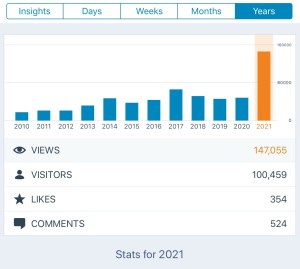
My world has stayed small, physically, but my thoughts and my words travel freely. My post views have more than doubled this year. I’ve been writing this blog for almost 14 years now and it has been a way for me to balance my frustrations with the system with the continuing enthusiasm this job nurtures in me.

I have written a Christmas piece most years. Below, I am linking to last year’s installment and also to the one from ten years ago, when I gathered sentences from Sir William Osler’s writings, imagining what he would want to say to today’s rural primary care doctors; Hippocraticus Rusticus, he called people like me.

Osler was a brilliant physician, a dedicated mentor and an optimist. He is one of a select group I call my imaginary mentors. By now I’m one of the oldest physicians in my organization, so I sometimes imagine what Osler or one of the other great teachers would guide me to do when I hit a snag or a difficult choice.

As one more year in medicine is about to end and as I prepare to start another, I would like to extend holiday greetings and best wishes for the new year to everyone who reads this. Writing this blog and compiling the books based on it has been both therapeutic and fun for me. And, just so you know, I have another book in the works – all new material, and this one in hardcover.

Stay tuned, God Jul & Gott Nytt År.

A Christmas Message to All Physicians From a Swedish-American Country Doctor in Maine

A Christmas Message to All Physicians from Sir William Osler

Why I Tell My Patients They Can Take Their Levothyroxine With All Their Other Medications, Even With Food

Today I saw another patient who struggles with her pharmacist’s instructions to take her thyroid replacement by itself long before breakfast and her other medications.

“I keep forgetting to do it that way, so then I go without it for that day”, she told me.

“Then I think you should just take it with breakfast and your morning medications”, I answered.

“Really?” Her eyes widened as I continued.

“Well, I’m just a country doctor, but it seems to me that if you take levothyroxine with all your other pills at breakfast and you get a little less into your system, two things happen. First, you’re more likely to get the medication on board every day. And, second, if you really get a little less than you need because of interference from food and other medicines, don’t we check your TSH every so often to make sure your pituitary is happy with that amount?”

“Yes, we do”, she agreed.

“So maybe we just have to give you a slightly higher dose if you take it that way, so what’s the big deal?” I asked.

“That makes sense”, she agreed.

“I think this morning routine thing is kind of like saying never open any windows in the winter because you’ll freeze to death”, I suggested. “But we both know that if you open some windows, the thermostat will make your furnace crank out more heat until the house is exactly the temperature you set it at.”

“That seems so straightforward”, she concluded.

As we wrapped up our visit, I finished my speech:

“I think a lot of doctors get hung up on theoretical fine points that don’t matter a whole lot in real, clinical, practice. There are drugs we can’t easily measure levels or effects of, so then we probably should dose them according to what works best. Like, old statin drugs, like simvastatin, don’t stay in your system for 24 hours. So we dose them before bed, which is when we make the most cholesterol. But modern ones, like atorvastatin, work for 24 hours so when you take them doesn’t matter. But so many pharmacists still slap a label on these newer drugs saying to take them at night. And I hear too many people say they have a hard time remembering to take medications at night.”

A medicine taken at the “wrong” time is usually a whole lot more effective than one you completely forget to take.

(You can quote me on that.)

Broken Relationships and Sudden Social Isolation are Like Opiate Withdrawal (BOTSA via NYT)

An article in The New York Times sent me once again on a journal reading journey. Opioids Feel Like Love. That’s Why They’re Deadly in Tough Times is behind a paywall, but there are many other articles on the topic of the brain opioid theory of social attachment (BOTSA).

Falling in love involves a euphoria at least partly mediated by brain opioids. The opiate mu receptor also interacts with oxytocin, known to build emotional bonds, and dopamine, involved in reward mechanisms as well as serotonin, involved in feelings of well being. These substances build and strengthen our bonds to loved ones.

But, as with opioid use or abuse, the euphoria doesn’t last forever. It is eventually replaced with a comfortable new sense of normal. If we are then suddenly cut off from those we have bonded with, a chemical withdrawal sets in. And it is in fact partly an opiate withdrawal, albeit not usually as violent as withdrawing from heroin.

“Social pain” and “physical pain” are both mediated, at least in part, via the mu receptor. Opiates have been shown to reduce separation anxiety in puppies and opiate antagonists increase vocalization in separated puppies. Adult rodents chose to self administer opiates more if they were socially isolated.

In humans, addicts on methadone maintenance therapy indicated less anxiety about losing relationships than addicts who were sober without the help of methadone.

When we think of opiates in this context, it clarifies both the history of opiate smoking in ancient times and the rise in opiate addiction in modern times.

I can’t imagine there was a chronic pain epidemic 300 years ago, more significant than the general hardships of life in those times. And, similarly, we now know that individuals who fall victim to opiate addiction are more likely to have childhood trauma and psychiatric symptoms prior to their opiate addiction.

So, even though the term “perfect storm” is hackneyed, our current epidemic of opiate use and abuse certainly were the result of such a constellation of factors. Chronic Pain Syndrome, the presumed physical condition we thought we were treating, is not just one thing. It is a hodgepodge of suffering. And the more we learn about it, the less useful it is to try to sort out what is physical and what is psychological. The lines are not only blurred, they are probably not real at all. And the now discredited belief that pain was a vital sign and opiates would eliminate it was only a pipe dream – incidentally, a term that was coined in the era of opium dens, when people smoked the mother substance in those long, fancy pipes!

What the Pandemic Taught Us About Public Health

When this country needed to immunize a few hundred million citizens, primary care clinics were generally the last institutions that got invited to participate.

Instead, hospital systems held clinics in huge venues like stadiums and conference centers and retail pharmacies expanded their vaccination offerings to include in-store and drive through Covid immunizations.

Why were primary care clinics the last resort for the vaccine rollout?

The sad reality is that we are too inefficient to be part of a fast moving mass immunization. We are not designed to be fast. We are designed, or shall we say redesigned -away from the way things used to be- to be comprehensive and geared up for at least the possibility that whoever walks through our doors will be a long term user of our services. This is why new patients get inundated with questionnaires that have nothing to do with their presenting concern (which we used to call complaint) and which nobody in their right mind would expect completely truthful answers to at the first encounter, like “do you need a drink first thing in the morning to feeel okay?”

My pet peeve is that primary care offices are ill suited for being the primary source of public health. We are very good at working one-on-one when patients are ready for it or seek us out. But there are just too many public health messages out there to cram them into what patients expect to be problem solving visits when they have chest pain, shortness of breath or unexplained weight loss, and even if they want a “complete physical”. How could you possibly be “complete” in 30 minutes, which is all the time you have for it if you’re lucky?

Let the pandemic teach us that public health is a mass market kind of thing. We’re happy to reinforce its messages, but please abandon the illusion that we can or should shoulder the responsibility for it.

And use existing resources to their fullest, like immunizations at pharmacies. Then, if those get recorded so primary care clinics can follow up (provided we get paid for such work) when our patients didn’t get their shot, we would have more comprehensiveness. And we would be working more one-on one, the way we were designed.


I just realized none of the posts show on an iPad or a computer, but they do show on an iPhone. WordPress is working on this. In the meantime, please visit my Substack.


Osler said “Listen to your patient, he is telling you the diagnosis”. Duvefelt says “Listen to your patient, he is telling you what kind of doctor he needs you to be”.


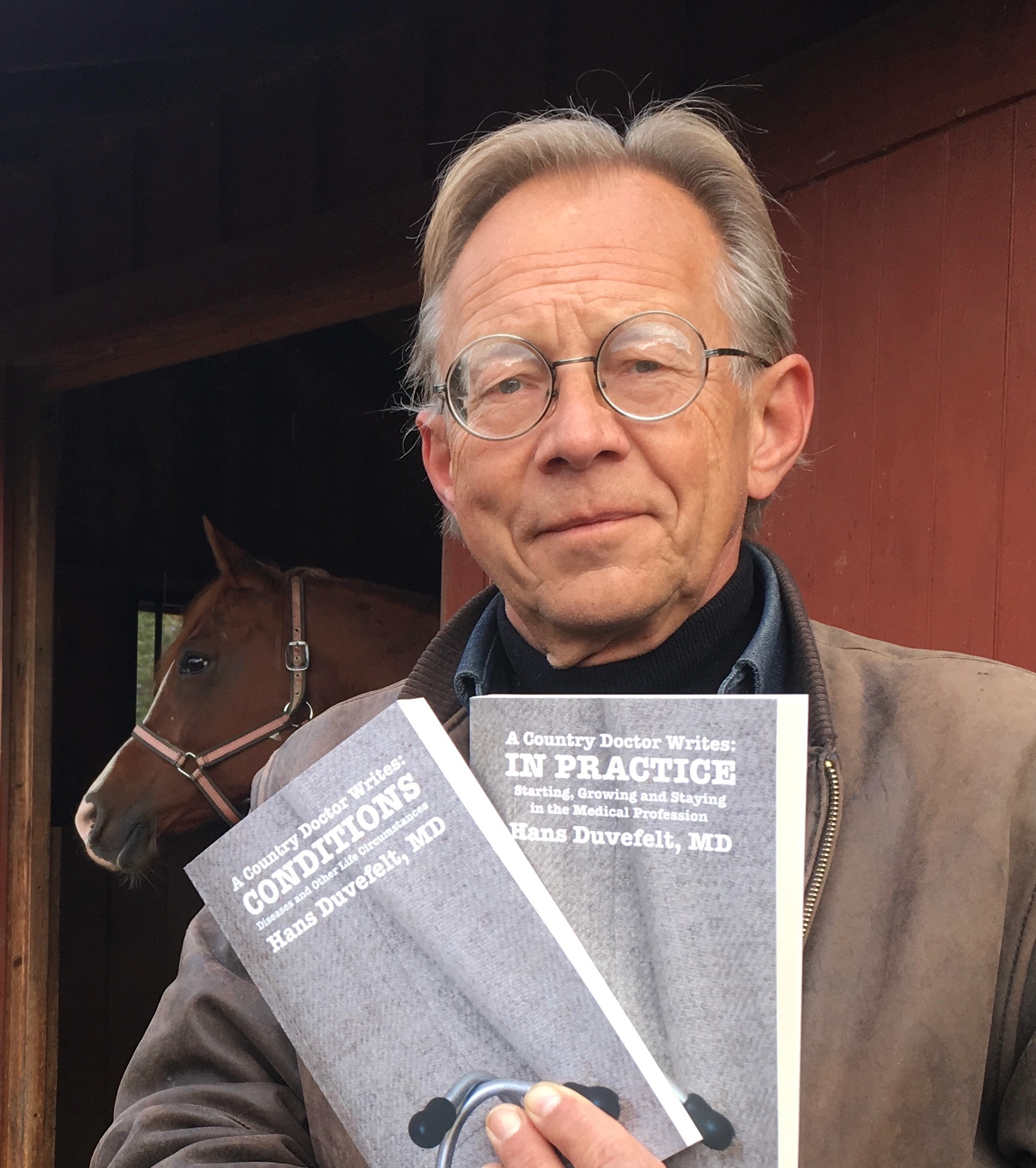
BOOKS BY HANS DUVEFELT, MD

CONDITIONS, Chapter 1: An Old, New Diagnosis

Top 25 Doctor Blogs Award

Doctor Blogs

Enter your email address to subscribe to this blog and receive notifications of new posts by email.

Mailbox

contact @ acountrydoctorwrites.com
Bookmark and Share
© A Country Doctor Writes, LLC 2008-2022 Unauthorized use and/or duplication of this material without express and written permission is strictly prohibited. Excerpts and links may be used, provided that full and clear credit is given.