Archive Page 33

Seizures: Low P, Low D and Lots of THC

Dustin had a history of seizures that were always mild and only happened at night. He took his medication faithfully. But a couple of months ago he had a bad one.

The emergency room workup showed that his phosphorous was critically low. They replenished it intravenously and his level normalized and stayed up.

My reading when I saw him in followup suggested that hypophosphatemia is sometimes transient without explanation, but sometimes related to vitamin D deficiency.

I prescribed vitamin D, which is something I rarely do because I’m very skeptical of D supplementation. I describe D levels as a lab test looking for a disease. Here in northern Maine all mental health professionals tell her patients to take vitamin D for seasonal affective disorder with no scientific backup.

So Dustin got his prescription for vitamin D and his phosphorus level stayed OK for a while but next thing I knew he was in the emergency room again with a seizure and a low phosphorus. I added a vitamin D level to the serum already in the lab and it had not budged at all.

I knew Dustin smoked a lot of weed and the emergency room pointed out the same thing. I realized that I should have been more aggressive with my dosing of his vitamin D but I just had a funny feeling that maybe there was a connection between marijuana use and low phosphorus.

I asked my esteemed colleague, Dr. Google. He instantly brought an article to my attention about a probable connection between marijuana use and low phosphorus.

So I cranked up Dustin’s vitamin D dose and gave him a printout of the article. “You might want to cut back on your marijuana use”, I suggested.

I guess I’m hedging my bets here between the low D and the high THC, and I’m open to other possibilities. The big message here, for what my CEO called a “late career physician”, is (and I’ve said it before): May I never lose my curiosity. (Although in the post below, it seemed like CBD oil did something good – always ask, always wonder, always question…)

Curiosity, Antidote to Burnout

Doctors Working for Free

Business owners sometimes do unreimbursed work to promote their business, but most of the time people charge for what they do. In healthcare, doctors are paid for seeing patients but not for reviewing incoming results, giving telephone advice or coordinating care. Those activities are seldom reimbursed by insurance companies.

Since most of us are no longer business owners but employees, the obvious question is why are we evaluating and compensating physicians’ performance based on billable activities but expected to do all non-billables without compensation on our own time?

Be Thankful for Ordinary Days

It’s an upside-down idea: Instead of being thankful for the extraordinary events in our life – vacations, holidays, weddings, anniversaries, career high points and diagnostic victories – we should probably be more thankful for what Dr. Edwin Leap calls the “blurry days”.

In these times of mayhem in our world, from war, mass shootings and natural disasters to economic and medical challenges, we need to remember that days that pass by without fanfare or excitement may be the greatest wish of the people in Ukraine, in hurricane or drought stricken towns, in food pantry lines and refugee camps here and abroad.

We need to be thankful that we are as free as we are, that we have days when nothing major happens, when there is electricity, running water, food, toilet paper (remember the early days of the pandemic) and all the things most of us have been taking for granted most of our lives.

But, yes, I will of course give thanks on this day for my family and dear ones, my animal friends, my home, my job, my health and my holiday plans. But, dear God, help me not be greedy for the extraordinary; help me appreciate the little things, the ordinary things, the normal things that so many people don’t have in their lives.

Another Thanksgiving Reflection

My First Case of Restless Chest Syndrome?

Nancy seemed to be a pretty healthy 50-year old. She turned out to be mildly anemic, probably because of heavy periods. Her gynecologist spoke to her about performing a hysterectomy.

But then she came in acutely and saw Dr. Kim for chest discomfort. It was always in the same place, right-sided, like a fast vibration or fluid moving inside her chest.

Dr. Kim ordered a Holter monitor and made sure the gynecologist knew we were trying to rule out something cardiac before the surgery.

I saw Nancy in follow up the other day. She told me her chest vibrations had stopped.

“You’re taking your iron pills, right?” I asked.

“Yes, why?”

“Well, I wonder”, I began. “Iron deficiency can cause neurologic symptoms, usually creepy crawlies in the legs – restless leg syndrome – but sometimes in the arms. I don’t know about the chest…”

“But I do have restless legs sometimes”, she interrupted.

“Interesting”, I said. “The feeling in your chest is too fast to be your heart, and your heart monitor was normal, but would you say the feeling happened at all while you were wearing it?”

“Not really, but I still have this weird feeling I’ve had for years, like I’ve got to change position or I won’t be able to breathe or something when I lie down flat in bed.”

“Interesting. And what about breathing with exercise or hard work?”

“There have been periods in my life, but that sort of comes and goes.”

“And when you’re short of breath, do you have any other symptoms, like sweating, nausea, palpitations or chest pain?”

She shook her head. “Not really.”

“So, lets get a chest x-ray and an echocardiogram and go from there”, I said. “Meanwhile, I’m going to research if anything has been written about restless leg type symptoms in your chest.”

Between dinner and evening dog walk that night I found this:

https://www.ncbi.nlm.nih.gov/pmc/articles/PMC9426964/

Once again, I came home from a very busy day at the office, eager to research a hunch I had from one of my patient visits. That’s why I’m still doing this at my age…

Curiosity, Antidote to Burnout

More Pictures From the Life of a Country Doctor

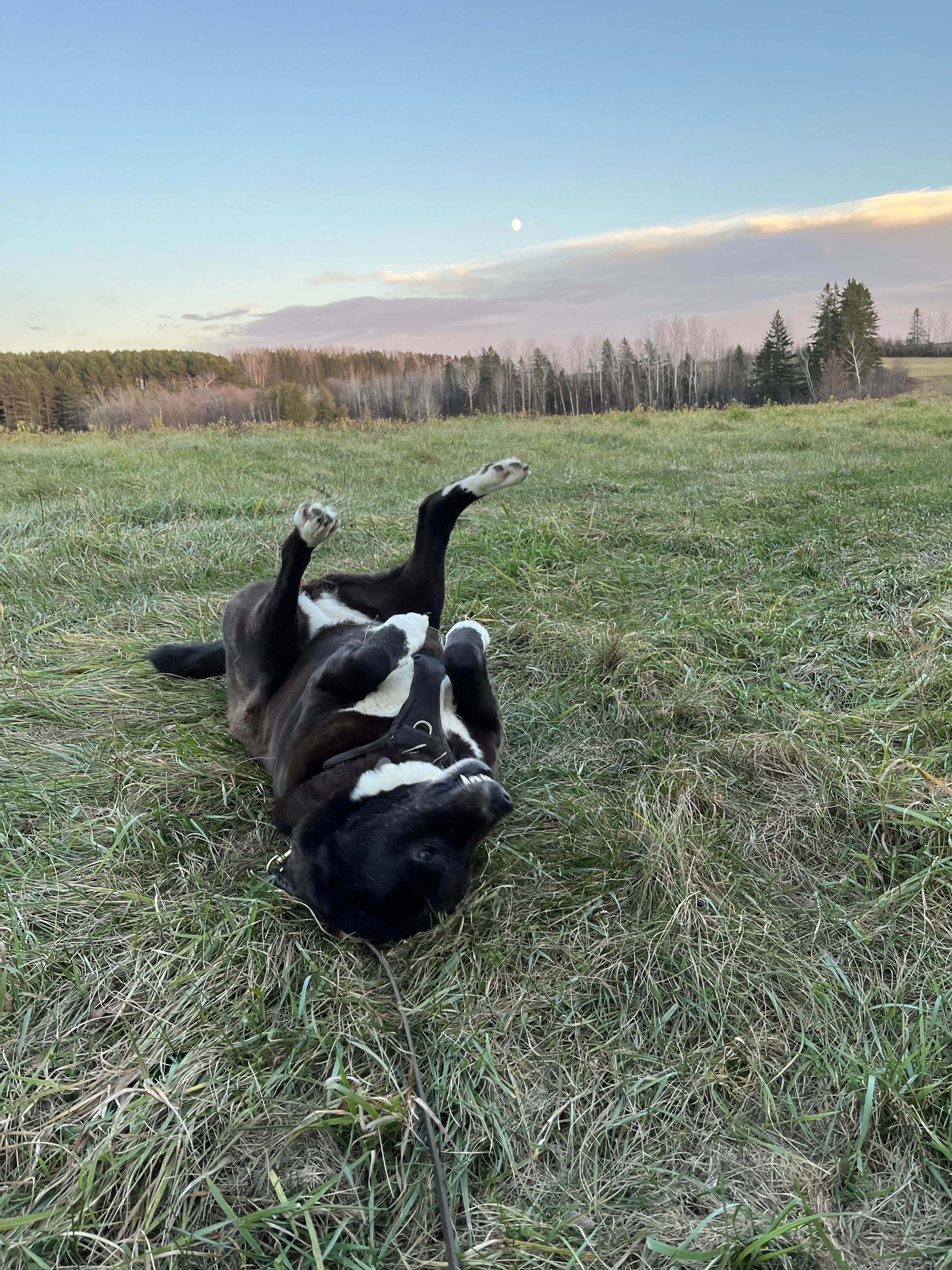
Stella, head of security, taking a break
Afternoon dog walk around the property
Sara watching the horses a rainy evening
A favorite spot
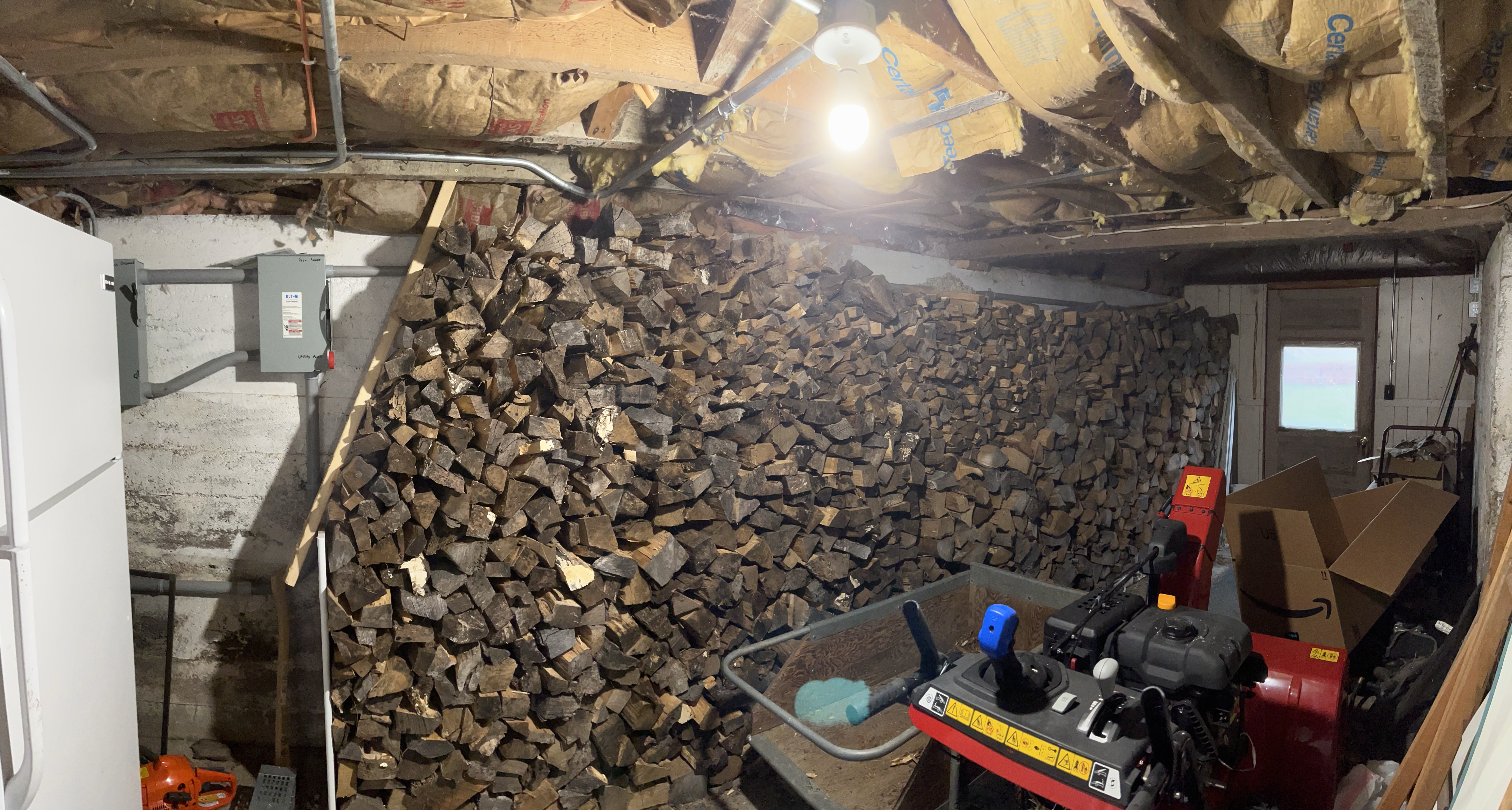
Well seasoned firewood

When I’m not working, I am with the animals on my little farm: Horses and Alabai dogs (130 and 117 lbs respectively), doing the typical farm chores, reading or writing, this time of year often by the fireplace.

With everything going on with Twitter, I’m not sure where I’ll go with that, but I share many things about my life on Facebook.

I never lead my horses with lead ropes. They have a halter in case I need to hold them for an emergency but I call myself the Horse Whistler.

The Horse Whistler

I just realized none of the posts show on an iPad or a computer, but they do show on an iPhone. WordPress is working on this. In the meantime, please visit my Substack.


Osler said “Listen to your patient, he is telling you the diagnosis”. Duvefelt says “Listen to your patient, he is telling you what kind of doctor he needs you to be”.


BOOKS BY HANS DUVEFELT, MD

CONDITIONS, Chapter 1: An Old, New Diagnosis

Top 25 Doctor Blogs Award

Doctor Blogs

Enter your email address to subscribe to this blog and receive notifications of new posts by email.

Mailbox

contact @ acountrydoctorwrites.com
Bookmark and Share
© A Country Doctor Writes, LLC 2008-2022 Unauthorized use and/or duplication of this material without express and written permission is strictly prohibited. Excerpts and links may be used, provided that full and clear credit is given.