Business owners sometimes do unreimbursed work to promote their business, but most of the time people charge for what they do. In healthcare, doctors are paid for seeing patients but not for reviewing incoming results, giving telephone advice or coordinating care. Those activities are seldom reimbursed by insurance companies.
Since most of us are no longer business owners but employees, the obvious question is why are we evaluating and compensating physicians’ performance based on billable activities but expected to do all non-billables without compensation on our own time?
It’s an upside-down idea: Instead of being thankful for the extraordinary events in our life – vacations, holidays, weddings, anniversaries, career high points and diagnostic victories – we should probably be more thankful for what Dr. Edwin Leap calls the “blurry days”.
In these times of mayhem in our world, from war, mass shootings and natural disasters to economic and medical challenges, we need to remember that days that pass by without fanfare or excitement may be the greatest wish of the people in Ukraine, in hurricane or drought stricken towns, in food pantry lines and refugee camps here and abroad.
We need to be thankful that we are as free as we are, that we have days when nothing major happens, when there is electricity, running water, food, toilet paper (remember the early days of the pandemic) and all the things most of us have been taking for granted most of our lives.
But, yes, I will of course give thanks on this day for my family and dear ones, my animal friends, my home, my job, my health and my holiday plans. But, dear God, help me not be greedy for the extraordinary; help me appreciate the little things, the ordinary things, the normal things that so many people don’t have in their lives.
Nancy seemed to be a pretty healthy 50-year old. She turned out to be mildly anemic, probably because of heavy periods. Her gynecologist spoke to her about performing a hysterectomy.
But then she came in acutely and saw Dr. Kim for chest discomfort. It was always in the same place, right-sided, like a fast vibration or fluid moving inside her chest.
Dr. Kim ordered a Holter monitor and made sure the gynecologist knew we were trying to rule out something cardiac before the surgery.
I saw Nancy in follow up the other day. She told me her chest vibrations had stopped.
“You’re taking your iron pills, right?” I asked.
“Yes, why?”
“Well, I wonder”, I began. “Iron deficiency can cause neurologic symptoms, usually creepy crawlies in the legs – restless leg syndrome – but sometimes in the arms. I don’t know about the chest…”
“But I do have restless legs sometimes”, she interrupted.
“Interesting”, I said. “The feeling in your chest is too fast to be your heart, and your heart monitor was normal, but would you say the feeling happened at all while you were wearing it?”
“Not really, but I still have this weird feeling I’ve had for years, like I’ve got to change position or I won’t be able to breathe or something when I lie down flat in bed.”
“Interesting. And what about breathing with exercise or hard work?”
“There have been periods in my life, but that sort of comes and goes.”
“And when you’re short of breath, do you have any other symptoms, like sweating, nausea, palpitations or chest pain?”
She shook her head. “Not really.”
“So, lets get a chest x-ray and an echocardiogram and go from there”, I said. “Meanwhile, I’m going to research if anything has been written about restless leg type symptoms in your chest.”
Between dinner and evening dog walk that night I found this:
Once again, I came home from a very busy day at the office, eager to research a hunch I had from one of my patient visits. That’s why I’m still doing this at my age…
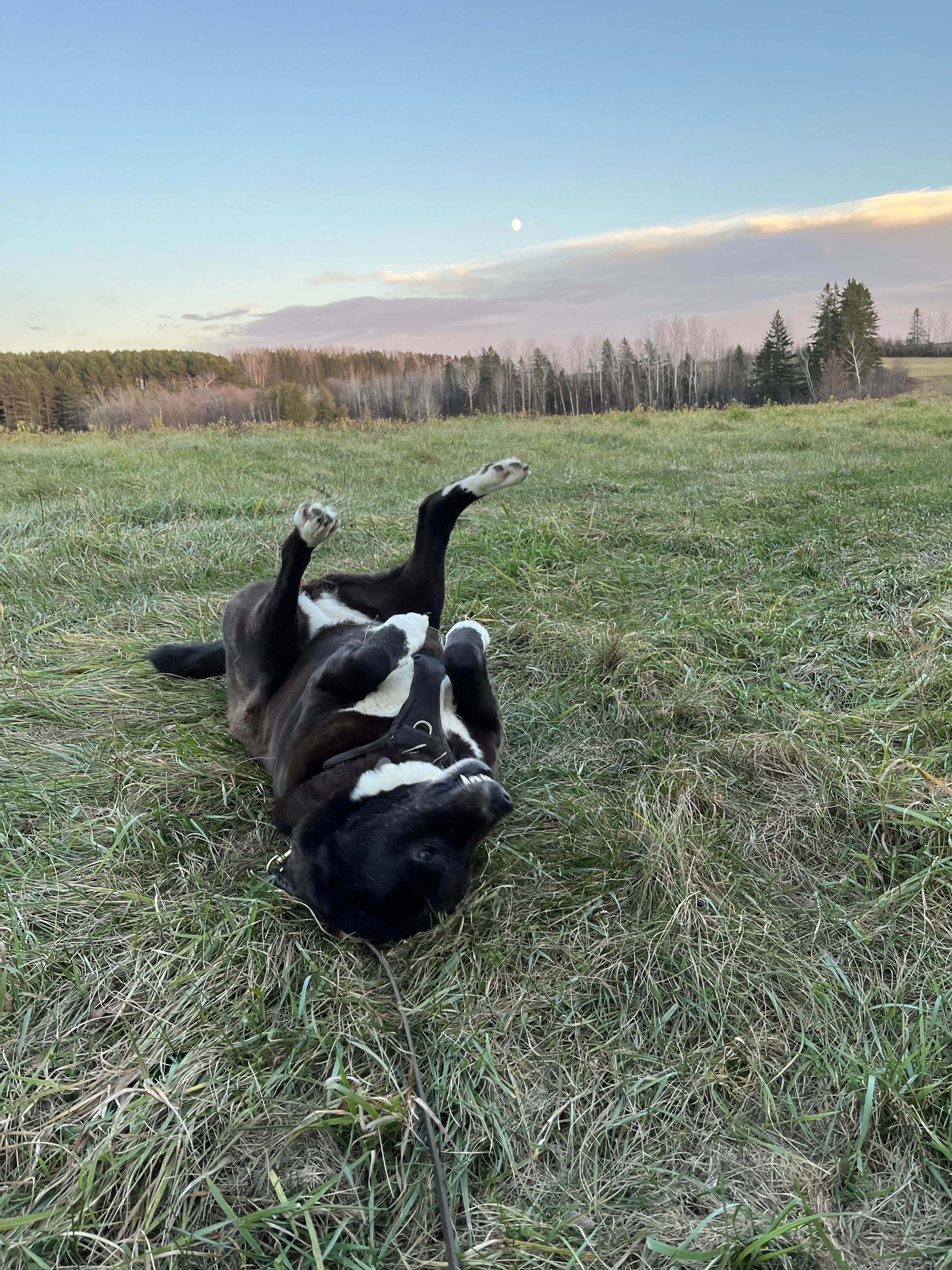
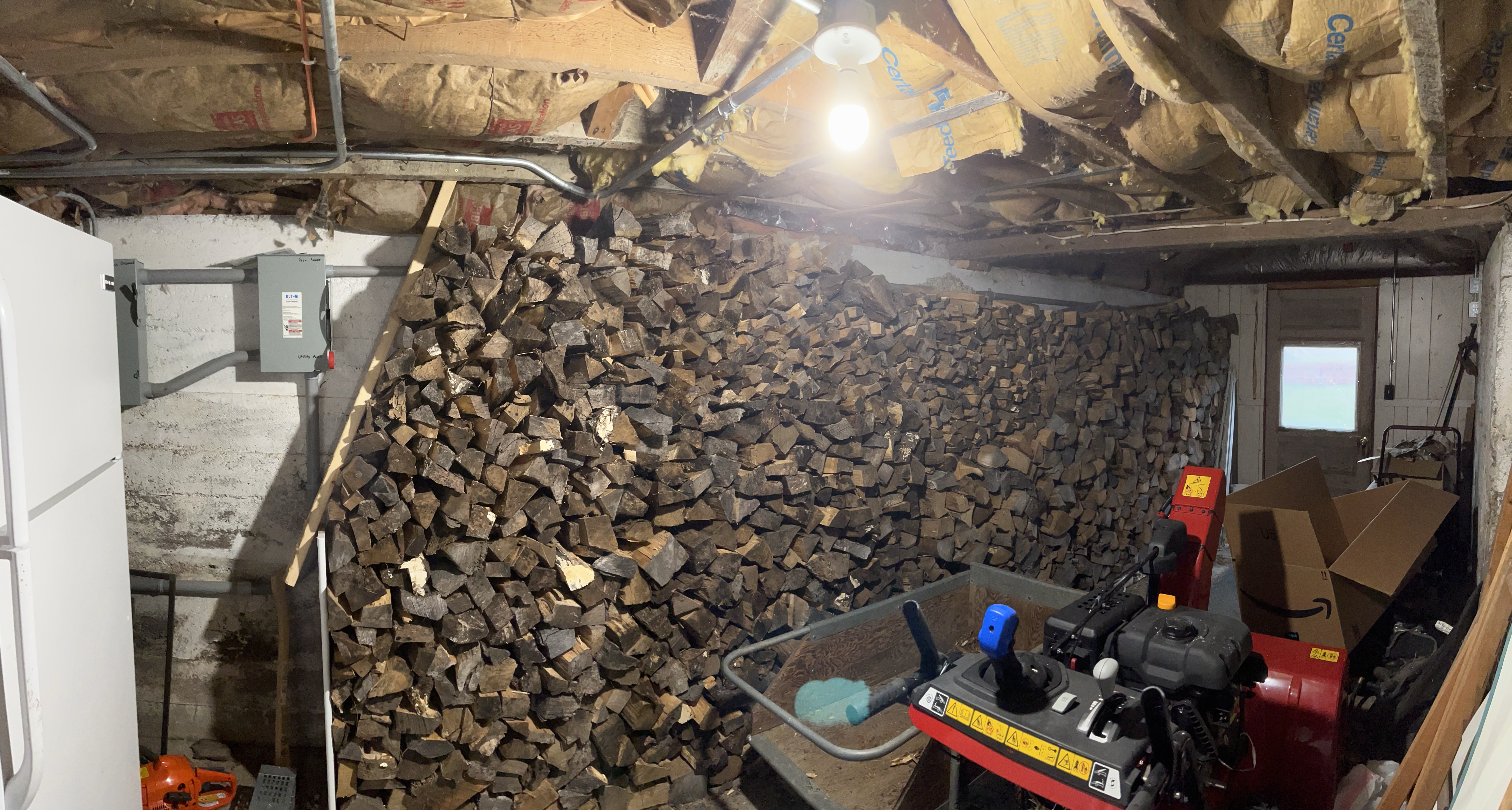
Stella, head of security, taking a breakAfternoon dog walk around the propertySara watching the horses a rainy eveningA favorite spotWell seasoned firewood
When I’m not working, I am with the animals on my little farm: Horses and Alabai dogs (130 and 117 lbs respectively), doing the typical farm chores, reading or writing, this time of year often by the fireplace.
With everything going on with Twitter, I’m not sure where I’ll go with that, but I share many things about my life on Facebook.
I never lead my horses with lead ropes. They have a halter in case I need to hold them for an emergency but I call myself the Horse Whistler.
It happens in eClinicalworks, I saw it in Intergy, and I now have to maneuver around it in Epic. Those EMRs, and I suspect many others, insert a stop date on what their programmers think (or have been told) are scary drugs.
In my current system all opioid drug prescriptions fall into this category. For a short term prescription that might perhaps be a good idea but for a longer-term or occasionally needed prescription it creates the risk of medical errors.
In Epic there is a box for duration, which is very practical for a ten day course of antibiotics. If I fill in the number 10 in the duration box, the medication falls off the list after 10 days. This saves me the trouble of periodically cleaning up the list.
But if I prescribe three oxycodone tablets a day for a patient with inoperable back pain and follow the convention of saying for 30 days or 28 days, that creates a problem: If my patient is careful not to take more pain pills than absolutely needed and the prescription indicates 28 or 30 days duration, the text on the prescription will read for up to 28 days or for up to 30 days. That language actually suggests they’d better hurry up and finish it and not have any pills left over. The other consequence is that if my patient doesn’t call for a refill until day 32, the medication has already disappeared from their medication list and cannot easily be “restarted”. I have occasionally restarted/re-issued a medication from memory and gotten the dosage wrong. Of course, I can check the state prescription monitoring program display for the pill strength and dosage frequency, but I still have to memorize it and then switch to the prescription screen. And the slightest distraction or interruption creates the potential for errors.
Across the EMRs I have used I have also seen the diuretic spironolactone get a stop date even if I leave the “duration” box empty. I don’t think that’s necessary: I went to medical school and already know this drug can raise serum potassium levels and precipitate kidney failure.
Back to the opiates: I think the plain English printout should say “X tablets daily for no less than 30 days” so nobody gets the idea to take more than the absolutely need because the doctor wants them to.
I just realized none of the posts show on an iPad or a computer, but they do show on an iPhone. WordPress is working on this. In the meantime, please visit my Substack.
Osler said “Listen to your patient, he is telling you the diagnosis”. Duvefelt says “Listen to your patient, he is telling you what kind of doctor he needs you to be”.














 A Country Doctor Writes:
