Archive for the 'Progress Notes' Category


Helping Patients Accept Their “Imperfections”

Brian was in a lot of pain, I could see it. But his lumbar MRI showed only modest changes. Two back surgeons said they couldn’t help him. Physical therapy, chiropractic and osteopathy didn’t help or made him worse. Duloxetine helped only a little. After one day of a higher dose, he felt “loopy” and stopped it completely.

Then he found that marijuana helps a great deal. The only problem was that he started smoking a lot and began to act under the influence. His family didn’t support him becoming a “pothead”. His wife asked if there was anything other than duloxetine he could take.

A website that promised minimally invasive laser surgery several states away had caught Brian’s attention. He asked me what I thought.

The same day I saw a woman who cries a lot.

Holly carries a diagnosis of bipolar disease. She is on one of the newer “atypical” antipsychotics. She functions pretty well, but told me she cries very easily: Movies, songs and good news can affect her. She doesn’t feel sad, just the opposite, she cries more tears of happiness or empathy than of sadness or hopelessness.

She asked me if I knew of a medication for that.

In both cases I thought for a moment. Then I entered that mental space that gives me a sense of quiet authority and wisdom, as if I were speaking as a clergyman or a therapist.

“Brian”, I said, “I don’t think any medication will help you right now. You have your mind set on a surgical cure, and as long as you hold that vision, pills won’t work for you.”

He nodded in agreement.

“You gave up on the 60 mg dose after one single day of nonspecific side effects. You need to research the laser procedure.”

He nodded again.

“But let me point this out to you: you’ve told me that marijuana makes you less stiff and makes your legs move better. That means you’re not all rusted up. Marijuana does nothing to the bones, disks, muscles and ligaments in your body. The only thing it does is change how you experience things. If marijuana makes you limber, do you really need to have surgery, or can you change the pain experience through it and any other chemical or yoga, meditation, Reiki, prayer or whatever?”

His wife turned to him as if to ask him to answer me.

“The problem in your back can be overcome by changing how the nerves from your back and legs communicate with your brain. They are sending exaggerated signals that your back is completely broken when it really isn’t. It has some glitches, but even smoking weed makes you able to use it with less pain, and the duloxetine starting dose did the same thing.”

He looked straight at me and made a slight frown.

“But you’re not ready to work on it that way. You will only be able to do that if you know for sure surgery can’t make you “perfect”. Go see the laser folks and talk to me again afterward.”

I rose from my swivel stool and ended our visit. Brian and his wife seemed to exchange telepathic comments as they left the room.

“Holly”, I said, “I could give you some Paxil and make you cry less, but you would very likely then also feel less joy and empathy. Is it worth risking losing a really good quality that you have?”

“No. I think of myself as a very empathic person. I would give my sweater to a cold homeless person, I’m like that.”

“Right, you have bipolar disease, your mood may change quickly, but you are a very feeling person and maybe this world needs more people who can really feel things, be present in the moment.”

“I like to be called a feeling person. I wouldn’t want to not feel…I was just wondering if it is normal.”

I held my hands out, palms up.

“It is normal. It can be beautiful.”

She smiled and said “Thank you”. Her eyes moistened as she got up from her chair.

I didn’t offer any cures to these two, but I’m trying to help them see themselves as not some potentially flawless machines, but imperfect human beings, as we all are, who can still make the most of who they are and what they have.

Transdiagnostic Treatment Approaches in Primary Care

I learned a new word recently: Transdiagnostic, which refers to something that is applicable across a spectrum of conditions. It seems that this is becoming an increasingly popular concept in treating anxiety disorders.

No wonder. As I researched this word, I read this:

“As of 2013, there are twelve anxiety-disorder diagnoses and over twenty-five subtypes and categories of these disorders, with specific treatments for about half of them. Research has demonstrated that these treatments, particularly cognitive behavioral ones (Hofmann and Smits 2008; Norton and Price 2007), help most people recover from anxiety disorders. Over the last few years, however, researchers have studied the effectiveness of general, rather than specific ones for anxiety disorders. These new treatments target core factors thought to maintain anxiety disorders in general (Erickson 2003).”

It struck me how much this fits into my work as a primary care physician:

The three major diseases I deal with on a daily basis, Type 2 Diabetes, cardiovascular disease and obesity really respond to the same dietary and lifestyle interventions (low carb, high good fat, moderate exercise), and now we even have drugs with transdiagnostic benefits: Jardiance (empagliflocin), an SGLT2 inhibitor, makes you excrete more sugar in the urine (like one of my recent patients did on her own) and also happens to lower the risk of cardiovascular death by 38%.

Another example of transdiagnostic therapies in primary care is the fact that SSRI antidepressants are now first line treatment for anxiety, depression and irritable bowel syndrome. I am not smart enough to know where IBS ends and anxiety begins, but I do believe they are not one and the same.

Fibromyalgia and other neuropathic pain syndromes like postherpetic neuralgia and sciatica respond to SNRI antidepressants (duloxetine), which are also obviously useful tools in depression treatment.

Metformin is another example of a transdiagnostic medication treatment, used for diabetes and polycystic ovary syndrome, conditions that have similarities but also several differences.

This brings me back to the notion I was introduced to in medical school:

Be familiar with many medications, but develop expert, in-depth knowledge about the use of a few select ones with particular efficacy or breadth.

My new word reminded me of that.

And when it comes to the two dozen subtypes of anxiety, that just reminds me of the absurdity of ICD-10 codes, like “accidental drowning and submersion due to fall in (into) bathtub (W16.211)”

Drowning is pretty much drowning. And I refuse to believe that there is any practical need to have 25 different types of anxiety.

Transdiagnostic treatments eliminate the need for obsessive-compulsive diagnosticism.

When the Patient Can’t Tell You

Today I had a followup appointment with a young adult male with severe intellectual disabilities. He is barely verbal. Several weeks ago his caregiver told me that this young man often pointed to his chest and would say “hurt” or “heart”, they weren’t sure which. He also seemed to have gotten pickier about his food, and would literally pick at the food on his plate as if examining it. His appetite was definitely down, but he hadn’t lost any weight yet.

Jimmy is young and slender, not a smoker, and has no cardiovascular disease in his family, so I prescribed him omeprazole.

“So, how’s Jimmy doing”, I asked.

“He doesn’t bang his chest and say hurt anymore, and he finishes anything we put in front of him” was the answer. “And you know what, I didn’t say anything last time, but he’s been kind of grouchy lately, but that’s all gone, too. He’s like the kid I first met years ago, always in a good mood.”

“It’s humbling”, I reflected, “to care for someone who can’t tell you very much about how they feel. I’m glad you were so observant.”

(A brief aside about the Metamedicine aspects of this case: My first prescription for omeprazole was for thirty days and it had one refill. Jimmy’s caregiver said Mainecare wouldn’t honor the refill because chronic medications must be prescribed for 90 days, so he bought the omeprazole over the counter. I shrugged and told him that after sixty days a prior authorization is needed. So, even a “correct” 90 day refill would not have gone through. So we switched to famotidine and if that doesn’t work, we’ll apply for a Prior Authorization for the omeprazole.)

My visit with Jimmy made me think, again, about the importance of the medical history. Even an observer’s report is better than any number of tests.

Even people with normal intellectual functioning can be hard to diagnose because of ther inability to describe what they feel. I have written before about alexithymia, the inability to recognize and describe one’s feelings. These are the people who, when asked to describe their symptoms, start telling you what other people said about how they looked or how they acted. I had seen many people who were like that, but had never heard of the word that populated my Google search when I typed in my observations in the search window.

Primary Care, and perhaps even more Pediatrics can be like veterinary medicine: the patient doesn’t always TELL you his symptoms. Sometimes he shows you, and sometimes others report their observations to you, but it is your responsibility to make sense of it all and come up with a diagnosis.

You Are What You Eat – Revisited

“Patients often chuckle when I tell them I am a recovering vegetarian. As a child I was pretty squeamish about things like chicken drumsticks, spare ribs and other anatomically identifiable foods. In my teens I decided the only rational way to handle my qualms was to be a vegetarian.

Decades later, and somewhat overweight, I decided to go back to being a picky eater instead of a strict vegetarian. Thus I increased the protein content of my diet and lost fifteen pounds. Reading Barry Sears (“The Zone”) and Atkins helped me understand what had happened to me.”

This is the beginning of a post I wrote exactly ten years ago. Today the notion that we are what we eat is even truer than it was back then.

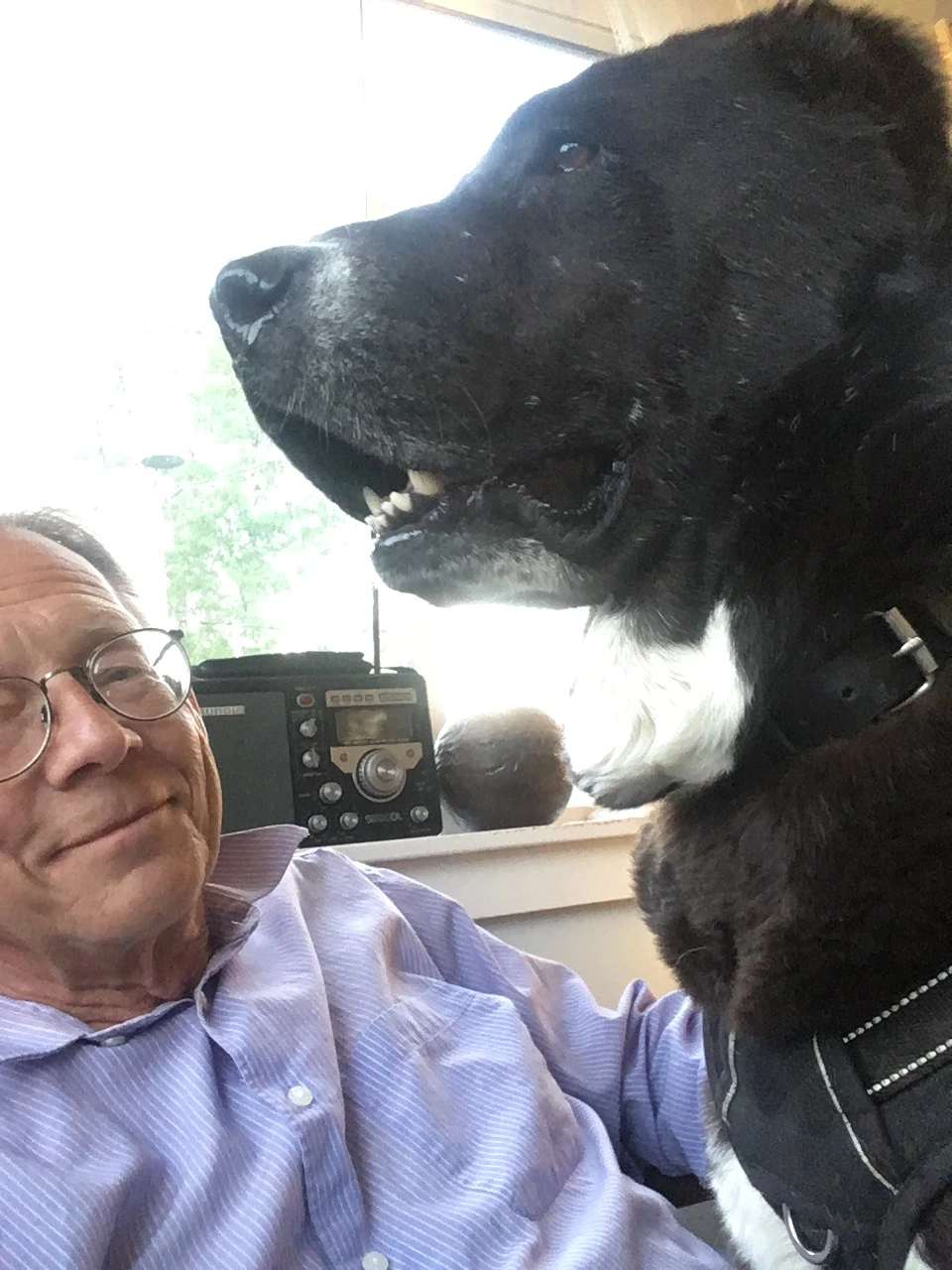
In that post I describe our jet black German Shepherd puppy, raised on organic meat. I am pleased to report that he is just as magnificent today, graying just a little bit, like his “Pappa”.

But the idea that our food determines who we are goes much deeper than the quality of our nutrition. Today we know so much more about how the bacteria in our bodies, particularly our intestinal flora, our biome, determines our mood, appetite and many other aspects of our identity.

When food makes us obese, our excess fat in itself can cause disease, writes Manzel:

“White adipose tissue (WAT) is not an inert tissue devoted solely to energy storage but is now regarded an “endocrine organ” releasing a plethora of pro-inflammatory mediators such as TNF-α, IL-6, leptin, resistin, and C-reactive protein. These “adipokines” account for a chronic low-grade systemic inflammation in obese subjects. Of note, these chronic inflammatory signals can have a profound impact on CD4+ T cell populations.”

National Geographic published a succinct article in 2016, which includes the following:

“The modern rise in obesity, allergies, asthma, rheumatoid arthritis, Type I diabetes, multiple sclerosis, irritable bowel syndrome, cirrhosis of the liver, cardiovascular disease, and anxiety attacks – perhaps even autism – may be related to the bacterial populations in our guts.

The root of all evil here may be a leaky epithelium. The epithelium, the all-important lining of the digestive tract, ordinarily acts as a barrier between the teeming bacterial world of the gut and the rest of the body. Resident bacteria ordinarily keep epithelial cells healthy by providing them with short-chain fatty acids and other nutritive factors. In the absence of the appropriate nurturing bacteria, however, the starved epithelium breaks down, allowing bacteria and toxic bacterial byproducts to enter the bloodstream. This sends a signal to the immune system, alerting it to the presence of invaders, which can lead to persistent inflammation and eventually, a host of chronic diseases.”

Even out appetite, for too much food, or the wrong kind of food, appears to be influenced by bacteria. There is now increasing evidence that not only dietary preferences but also eating disorders are linked to gut bacteria: Prevotella thrive on carbohydrates and Bacteroides prefer protein and animal fat.

One article I came across spells out something I have noticed about the association between bowel and psychiatric symptoms: 40-60% of patients with functional bowel symptoms also have psychiatric symptoms and, looking at it the other way, 50% of psychiatric patients have irritable bowel syndrome. And SSRIs like Prozac (fluoxetine) are now first line drugs for IBS.

What we call the gut-brain axis isn’t just a chemical/hormonal and neurotransmitter communication between our intestines and our brain; our gut bacteria also have their voice in this chatter and homeostasis. They outnumber our own cells and they contain 1000 times as much DNA, so they might even dominate the “conversation”. Most of that DNA is influenced by, and also influences, what we eat. So the old saying is proving itself to be very, very true, indeed.

These are two great scientific articles on this topic:

https://www.ncbi.nlm.nih.gov/pmc/articles/PMC5490581/

https://www.ncbi.nlm.nih.gov/pmc/articles/PMC3554020/

Dear [CEO]: The Letter I Gave My Boss This Week

I was behind on my charting, as were several of my colleagues. My boss asked me for ideas how to fix this problem. This is what I wrote:

A better day for medical providers:

1) Encounter Productivity Achieved

2) Charts done on time

3) Inboxes Cleared.

Those are the three basic tasks of a medical provider, yet most medical organizations only schedule providers for one of them, the patient visits, and somehow expect that by pure magic, superhuman willpower or personal sacrifice, the other two things will get done, and continually act surprised when that doesn’t happen.

Our clinic has recently heard from two departing providers that the non-patient visit work was a significant source of personal frustration.

Here is my suggestion for better efficiency and less professional stress with less risk for burnout:

1) Adopt a 20-40 minute grid.

2) Keep encounters at 15 or 30 minutes

3) Separate patient and computer time

In a 20 minute slot, the first 15 minutes are for the face to face visit and the remaining 5 are for charting. It is important not to suggest to the patient that the entire time slot is for face to face work, because that creates an untenable backlog for the provider.

In a 40 minute slot, 30 minutes are for face to face and 10 for documentation and ordering.

DETAILS:

A) Schedule ONE, TWO or THREE very special 40 minute slots per day (30 minutes for the patient and 10 for the provider), for very complex visits. There needs to be an understanding/protocol for which patients get these visits.

B) Schedule FIFTEEN, SEVENTEEN or NINETEEN 20 minute slots (15 minutes for the patient and 5 for the provider). If occasionally a patient requires the full 20 minutes, there is opportunity to postpone the documentation until the one hour block of desk time.

TOTAL 18, 19 or 20 patients/7 hours of face to face time depending on provider target.

FORMULA: (15×20)+(3×40)=420 Minutes

(17×20)+(2×40)=420 Minutes

(19×20)+(1×40)=420 Minutes

(For a 10 hour shift, 9 hours could contain 19x20min + 4x40min = 23 encounters.)

C) Schedule ONE HOUR of desk time (in the case of an eight hour day) so inboxes can be cleared daily. This would also be an opportunity to communicate with outside providers during their normal business hours.

A SCHEDULE LIKE THIS WOULD CREATE AND REINFORCE GOOD HABITS AND GOOD TIME MANAGEMENT. The hour devoted to provider “desk time” would also allow medical assistants a predictable opportunity to concentrate on tasks that require some uninterrupted time.

P.S. This was my 500th pst on A Country Doctor Writes.


I just realized none of the posts show on an iPad or a computer, but they do show on an iPhone. WordPress is working on this. In the meantime, please visit my Substack.


Osler said “Listen to your patient, he is telling you the diagnosis”. Duvefelt says “Listen to your patient, he is telling you what kind of doctor he needs you to be”.


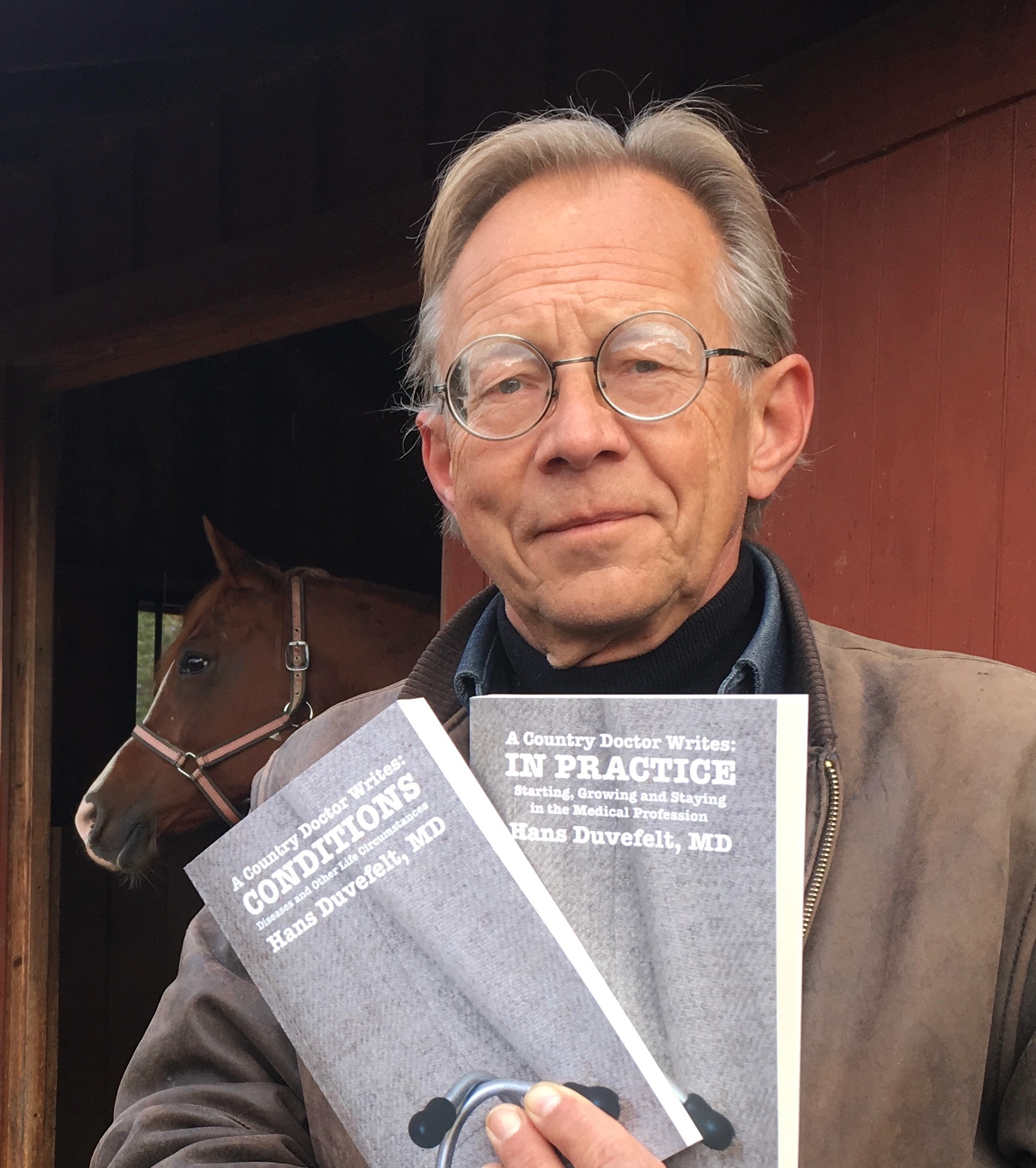
BOOKS BY HANS DUVEFELT, MD

CONDITIONS, Chapter 1: An Old, New Diagnosis

Top 25 Doctor Blogs Award

Doctor Blogs

Enter your email address to subscribe to this blog and receive notifications of new posts by email.

Mailbox

contact @ acountrydoctorwrites.com
Bookmark and Share
© A Country Doctor Writes, LLC 2008-2022 Unauthorized use and/or duplication of this material without express and written permission is strictly prohibited. Excerpts and links may be used, provided that full and clear credit is given.