Archive Page 91

American Primary Care and My Soviet Era Class Trip: Sensing the Inevitable Collapse of a Top Down Bureaucracy

Swedish Healthcare seemed competent but a bit uninspired and rigid to me but my medical school class trip to the Soviet Union showed me a healthcare system and a culture I could never have fully imagined in a country that had the brain power and resources to have already landed space probes on Mars and Venus by the time my classmates and I arrived in Moscow in the cold winter of 1977.

The first time we sat down for breakfast at two big tables in the restaurant of the big Россия hotel near the Red Square, our two male waiters asked if we wanted coffee or tea and people started stating their preferences. The waiters shook their heads and put their hands up in the air. No, they couldn’t split the beverage order, they explained. We had to all decide on one beverage with no substitutions.

The restaurant obviously had both coffee and tea, and as far as I know, they cost about the same. The only thing standing between the tea drinkers and their favorite morning beverage (the coffe crowd won the popular vote) was convention and attitude. I don’t know if this was a policy set by the hotel management or a complete lack of service-mindedness by he staff, but my classmates and I felt as if we, the customers, did not matter.

(Writing this piece, I came across the news item that the Hotel Rossiya, once the biggest hotel in the world, was demolished in 2006.)

From that first morning on, everything I encountered felt dim, dark and repressive. I saw with my own eyes that Sweden’s degree of uniformity was nothing compared to the Soviet Union’s, which some of my classmates, communists and former Viet Cong supporters, had spoken well of before we got there.

During our stay I saw dilapidated hospital wards and surgical suites with antiquated medical instruments in scarce supply, which we couldn’t even all see because of a lack of scrubs and booties. We saw bare-bones ambulances staffed with underpaid specialist physicians, neurologists for stroke victims, for example. I thought being a doctor in the Soviet Union seemed like one of the most depressing things you could end up doing for a living.

I yearned for the freedom and optimism I had seen back in 1971, when as an exchange student I fell in love with America and a girl I met in my high school sociology class.

During my high school year here, I got the impression that almost everybody in America had a personal ambition, like making music, writing a book or starting a business. I saw a service mindedness I had not seen in Sweden, where years later I saw the epitome of that in a restaurant near the Arctic Circle that closed for lunch (for the staff) from 12 to 1 pm every day.

In America I also got the impression that the rules of society were not exactly cut in stone the way there were in Sweden. Due dates seemed a little flexible, rules seemed to have countless exceptions; even spelling of the American language seemed to offer a few individual choices.

Doctors in America were mostly in private practice. I didn’t see much of American healthcare that year, except the afternoon reruns of Marcus Welby, MD that I devoured. It ran from 1969 to 1976 and it solidified my vision of being a primary care doctor in America.

Fast forward twenty years, to 1991, the year the Soviet Union collapsed. The Planned Economy proved itself to be an unsustainable daydream of the social engineers of communism.

That year I had lived in this country for a decade. My work in a Federally Qualified Health Center, part of a safety net that offered subsidized or free care to people without health insurance, had shown me the inequalities and health hazards of “the other half” of American society. I felt proud to be part of such a clinic, providing equal access to everyone.

During the ensuing two decades, the Federal agencies that paid our grants and provided our preferred reimbursement rates started to micromanage what we did and how we structured our work. My original liberated experience of American healthcare turned into a sense that the bureaucrats mistrusted doctors and administrators of FQHCs so deeply that they had to structure our work for us.

The crowning event was when we all more or less had to earn recognition as “Patient Centered Medical Homes”, which at first sounded like we needed to make our practices Marcus Welby-like. Instead, PCMH was not really about nimbly meeting your patients needs but about creating rigid protocols that in fact made it hard to improvise. This was followed by many other initiatives that to a small or larger degree lacked firm anchoring in the reality of front line medicine and became virtual shackles for medical practices.

This hampering of improvisation in how you meet individual patients needs felt strangely familiar, and brought back memories of that cold December morning in Moscow:

Tea or Coffee, but not both.

Save one same day slot and qualify for easy access recognition, double book freely and fail the access parameter (no “protocol”).

And then when Uncle Sam wanted our “data”, presumably for better central planning some day, we were given grants to computerize our patient records with numerous qualifiers about how to use these computers. “Meaningful Use” broadly sounded like a good idea, except the technology was immature.

One example: Patient information about their medical condition, if generated by the EMR software, often amateurish and rudimentary, gives us Meaningful Use brownie points, but high quality handouts from sources like Up to Date, Harvard or the Mayo Clinic don’t count.

Another Federal shackle: Uncle Sam wants us to deliver comprehensive care, which includes screening for a growing list of clinical and societal issues, like depression, alcohol use, domestic violence, sexual orientation, food insecurity and so forth. If we don’t do all this, we lose brownie points. Consequently, we hesitate fitting infrequent visitors into our clinic schedules, because you can’t possibly do all that in a single visit for a sore throat, so we look better if that patient goes to a walk-in clinic – one ding on the Access parameter instead of numerous dings for all the other ambitious comprehensiveness requirements

I am sorry to report that the well meaning bureaucrats of the Central Planning Office are making American Primary Care feel more and more like the Soviet Union of Lenin and Marx where people mattered as populations, perhaps, but not as individuals. That is not the way Americans think. They don’t want to be told what to drink with their breakfast and they don’t want to be told what the agenda is for their next doctor’s visit.

Collapse or profound disruption seems inevitable.

The Science of Placebo and Nocebo Effects Puts the Doctor-Patient Relationship on Par With the Effectiveness of the Pharmaceuticals We Prescribe

Using a treatment without having any understanding of how it works is often thought of as unscientific and suggesting that a placebo can help a sick patient has until now been viewed as unethical.

The New England Journal of Medicine just published an article about placebo (making you feel better) and nocebo (making you feel worse) effects, two of the most intriguing aspects of the supposedly scientific practice of medicine. These phenomena have long been seen as complicating pharmaceutical research. But today we have a deeper understanding of how placebo and nocebo effects come about, down to the neural pathways. The fact that we understand the mechanisms better has made their use start to gain more legitimacy.

According to the article, placebo effects have been shown to be associated with the release of substances such as endogenous opioids, endocannabinoids, dopamine, oxytocin and vasopressin. We even have some understanding of which substances mediate which type of response. For example, placebo treatment of Parkinson’s disease raise dopamine levels and “increased pain perception through verbal suggestion, a nocebo effect, has been shown to be mediated by the neuropeptide cholecystokinin”.

In my own clinical experience (40 years last summer) and writing, the understanding of the impact of exactly how a treatment option is presented is a recurring observation and theme. See for example “Negative Expectations”, “Patients are the Real Healers”, “Patient Centered and Evidenced Based Medicine – Can We Really Have Both?” and “Getting it Right”.

As the NEJM article points out, many double blind clinical trials of medications for pain and psychiatric disorders show similar effectiveness of placebo and active substance. Another interesting statistic is that up to 19% of adults and 26% of elderly patients report side effects from placebos. The article, in linking placebo and nocebo effects to patients’ relationship with and trust in their physician suggests that a patient who stops a medication may not or not only be doing this because of perceived side effects but perhaps deep down due to mistrust in their physician.

Similarly, “patients with common colds who perceive their clinicians as empathetic report symptoms that are less severe and of shorter duration than those of patients who do not perceive their clinicians as empathetic; patients who perceive their clinicians as empathetic also have reduced levels of objective measures of inflammation such as interleukin-8 and neutrophil counts”.

As we present patients with treatment options, we need to give more thought to the risk-benefit of the traditionally all-important notion of informed consent.

I, for instance, have tended to present statistics in a counterproductive way. Instead of saying 5% of people get a particular side effect, the article hints that maybe we should say that 95% don’t get it while at the same time explaining the potential benefit of the treatment.

The article also suggests describing the severe or significant side effects a medication can cause and then mentioning that other, milder side effects can occur, but because of the nocebo effect, the mere mention of these has been shown to increase the statistical probability that patients may have them. Giving the option of hearing all the non-critical reported side effects has been called “contextualized informed consent” and “authorized concealment”.

I can’t help reflecting on how focused we are in medicine on the subject matter and how little we speak about the delivery of subject information. The business world seems to talk more about how to sell something than how to produce it. I think as physicians or scientists we look down on that, thinking that a cup of coffee is a cup of coffee, so why are all these people devoting their lives to how to sell that cup of coffee?

So we need to get off our high horses and take a look at how we present information about what we “sell”, because what we try and hope to sell may have greater impact on our “customers” future health than which brand of coffee they choose to drink.

Medicine is Child’s Play: Where’s Waldo, Spot the Difference and Whack-a-Mole

I started writing a post a few days ago about the challenge of quickly finding what you’re looking for in a medical record. As I came back to my draft this morning, it struck me how much this felt like some of the games my children played when they were young. This got me thinking…

Where’s Waldo: Finding what’s important in the medical record

I did a peer review once of an office note about an elderly man with a low grade fever. The past medical history was all there, several prior laboratory and imaging tests were imported and there was a long narrative section that blended active medical problems and ongoing specialist relationships. There was also a lengthy Review of Systems under its own heading.
In what would probably have printed out over ten pages long, the final diagnosis was “Urinary tract infection” and the man was prescribed antibiotics.

This final diagnosis seemed to come out of left field. I didn’t recall reading anything about urinary symptoms, urinalysis, an abdominal exam or pain on percussion over the back.

I had to read the note again twice. Finally I found mention of increased urinary dribbling in the sentence that stated that the patient was seeing a urologist for his enlarged prostate. There was a same day urinalysis mixed in with almost a dozen other, previously done lab tests for things that in no way had any bearing on body temperature. And the physical exam was exhaustive, including items that in no way could relate to why an elderly man might have a fever.

My task as a reviewer included answering the question whether the Chief Complaint, Review of Systems, Physical Exam, tests ordered, Assessment and Plan were all consistent. I gave the note a passing grade with a scathing comment about how hard it was to follow my colleague’s line of thinking in diagnosing the patient’s problem because of all he irrelevant data that was included.

After reviewing this one office note, my brain was exhausted. I had not expected chart review to be so much more like “Where’s Waldo” than “Who Dunnit”.

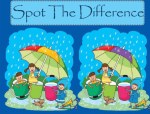
Spot the Difference: How to monitor trends and find the abnormal among the normal

I’ve said it before, much of what we do in medicine is triaging. We run down symptom checklists and we run our fingers over lymph nodes; we scan lab reports and run our eyes over dozens of moles on people’s backs; we look at growth charts for consistency and medication lists for inconsistencies. Our job is to find the abnormal among everything that is normal. Sometimes an apparent abnormality is a persistent and normal “baseline” for one particular patient. To do the best job possible with this, we shouldn’t have to rely on memory alone. We need our EMRs to display information in a way that makes our job easier and reduces the risk of errors. The ability to quickly generate graphs or flowsheets for lab results is crucial because of the volume of tests we have to review, or triage, actually.
We still use warfarin, even though the $400/month never anticoagulants don’t require blood test monitoring and dose adjustments because of interfering medications or foods. Not all EMRs display historical INR values and dose changes well; I have some colleagues who will look at only one INR value and change their patient’s warfarin dose. Sometimes their typical increase or decrease will create the same overcorrected result again and again because the EMR doesn’t provide the same overview as the old paper flowsheets.

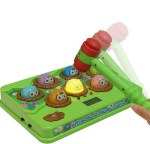
Whack-a-Mole: Just when you think you’ve solved one problem, another pops up

This is the most clinical and most deeply frustrating child’s game we have to play in medicine. One leg ulcer heals, and another one develops. One COPD or heart failure exacerbation successfully treated and the patient gets sick again. One cancer seems beaten and another tumor develops.


The other games we find ourselves playing are annoying obstacles created by health care workers or systems. But Whack-a-Mole is the modus operandi of the many human diseases we battle. And unlike the other two “games”, this is one we must accept and not take personally when we don’t win. And because this is a game with sometimes devastating consequences, I take absolutely no pleasure in the child’s play version, although I did enjoy playing both Where’s Waldo and What’s the Difference when my children were young.

“The Four Horsemen of the Medical Apocalypse”: It’s All About Inflammation

“Although there may never be such a single path, mounting evidence suggests a common underlying cause of major degenerative diseases. The four horsemen of the medical apocalypse — coronary artery disease, diabetes, cancer, and Alzheimer’s — may be riding the same steed: inflammation.” – Harvard Health Letter, 2006

It has been said that it takes 17 years for new scientific information to change medical practice. So, it’s been 14 years since Harvard posted the article titled “Inflammation: A unifying theory of disease”.

Note the dramatic allegory, “The four horsemen of the medical apocalypse”. The chronic diseases listed plus obesity and probably also depression, which is now costing more in disability payments than back pain and other musculoskeletal conditions combined, are driving our healthcare expenses into the stratosphere and our population into a quagmire of suffering and death from diseases that seem to actually be preventable and in many cases reversible.

What is inflammation?

A cut or scrape heals through the process of inflammation, which is a good thing. But too much inflammation can make that process go overboard and a thick, raised keloid scar forms.

Pounding your heels on a concrete factory floor day after day can cause mechanical stress on the plantar fascia, the tendon-like band that helps maintain the arch of your foot. Through the process of inflammation, part of that fascia undergoes thickening and eventually calcification, and a heel spur forms.

A ruptured disc in your lower back can cause acute pressure on the nerves that supply feeling and control muscle activity in your leg – sciatica. In response to this pressure, the injured nerve swells through the process of inflammation and becomes even more squeezed than it was from the initial injury.

Chronic disc problems can cause calcification, just like with heel spurs, at the corners of each vertebra and sharp bone spurs can form in your back.

Autoimmune diseases like arthritis, psoriasis and colitis involve similar processes in our bodies. Misguided efforts to repair minimal or imaginary (on the part of the immune system) damage or fight off “foreign” invasion cause changes to our bodies like bone spurs or destruction, rashes or peeling skin and diarrhea or ulcer formation, and profound alterations in mood and cognitive ability.

Inflammation can also occur inside our blood vessels. It is now well known that foods and chemicals can increase or decrease inflammation, which helps determine whether blood borne fats start building up in the walls of our blood vessels.

More and more evidence also implicates inflammation as a contributor to obesity , which in turn can promote more inflammation.

The new movement of Functional Medicine is studying and promoting non-pharmaceutical approaches to these inflammation mediated medical conditions. Calling their philosophy “The medicine of why”, they reject the idea that the best way to fight inflammatory diseases is by suppressing the immune system. Instead they focus on avoiding triggers, correcting deficiencies and reversing the modern day imbalance between helpful and excessive immune responses. I have written about this before, here.

The frighteningly simple theory is now more and more anchored in science, down to the specific chemical reactions at work in our bodies and the dietary phytochemicals involved. What we eat, drink, inhale or otherwise expose ourselves to can cause or prevent disease and can determine whether our genetic risks manifest in disease or not. This exploding field is called epigenetics.

How do we fight inflammation?

Here are some very simple fundamentals about what everyone can do to reduce their risk of the inflammation mediated diseases Harvard called the medical apocalypse:

Pro-inflammatory foods to avoid:

Sugar and high fructose corn syrup as well as “refined carbohydrates”, which means anything made from flour (bread, pasta, crackers, boxed breakfast cereals and many snack foods).

Artificial trans fats or partially hydrogenated oils (now phased out from our food supply).

So called “tropical” oils like palm and coconut oil.

Processed meats.

Excessive alcohol.

Also, although not foods, inhaled substances like cigarette smoke can cause inflammation and at the same time decrease normal immune defense responses.

Anti-inflammatory foods to choose:

Healthy Omega-3 fats like olive oil, fatty fish like salmon, avocado and tree nuts.

Berries, cherries, grapes and tomatoes.

Vegetables like broccoli, Brussels sprouts and kale.

Turmeric, cocoa and green tea.

(More details here: https://www.healthline.com/nutrition/13-anti-inflammatory-foods)

Of course, there is more, but imagine if everyone took these simple steps – olive oil consumption alone reduces heart attack risk by 25%, for example. (I just said that in my previous post, too – sorry for repeating myself here).

I am still puzzling about why we aren’t thinking and talking much more about this. Unfortunately, it seems this is not going to revolutionize medical practice in a mere 17 years.

Atherosclerosis and Nonstick Frying Pans: Newfangled Medications or Time Tested Lifestyle?

Some people have high cholesterol but not much atherosclerosis. We think of their arteries as having nonstick surfaces. We know inflammation can predispose to plaque formation and plaque rupture, which is the trigger of most heart attacks.

We know statin drugs can prevent and reverse plaque buildup, and make existing plaque sturdier and less likely to rupture. These drugs lower blood levels of inflammatory substances. Most doctors focus on their cholesterol lowering properties but they do many other things that may in fact be more important than lowering levels of bad LDL cholesterol.

We also know there are populations where even old people have very little heart disease and very little plaque buildup. Diet and physical activity seem to be a bigger cause of this than genetics. When members of such populations move and adopt the habits of a different culture, their heart disease risk changes in the direction of the disease levels of their new culture.

This is just like using a frying pan:

A new Teflon pan bought around the time I was born may have worked as well as mother’s well seasoned frying pan, but the non stick chemical, polytetrafluoroethylene, has been shown to have carcinogenic, hormone disrupting and pro-inflammatory effects. We all know that the nonstick surface of a Teflon pan isn’t indestructible. It ultimately chips and we have ended up eating Teflon but also some of the not-so-healthy chemicals that are used in Teflon manufacturing, which can cause environmental damage as well as whatever they do to our bodies.

The chemicals in nonstick pans have changed recently, but they have not proven themselves to have long term safety, because only time will tell us about that, so we are all asked to be guinea pigs.

The cast iron pan from the same era is still serving me well, which brings me to what I wish we accepted as a universal truth in medicine:

Pills, even if they show good results in clinical trials, are chemical shortcuts, and usually in the long run less safe and effective than natural, lifestyle based strategies that don’t involve putting man-made chemicals into our bodies.

Some people have advanced disease and radical, desperate measures are indicated. Others can’t or won’t adopt healthy lifestyles and I agree that pills are probably better than nothing in that case.

But for primary prevention, what to say to a very healthy 66 year old male with a ten year cardiovascular risk of 9.6%, which is actually the best case scenario, it’s hard for me to believe he should be on “moderate to high dose statin treatment”, which is the current guideline.

So what are the natural ways to prevent or reverse atherosclerosis?

Olive oil consumption alone reduces cardiovascular risk by 25%

A Mediterranean diet reduces heart attack and stroke risk by 50%

And, this just in last week: People who train for and finish a marathon, even at their own pace, show decreased stiffness of their aortas, seemingly reversing four years of “normal” age related change.

If our 9.6% risk male were four years younger in terms of his total cardiovascular risk after starting to exercise, he would be at 6.9%; that’s a 28% improvement.

Statistics like these really make you think a little harder about why our focus is so much on drugs for primary prevention of cardiovascular disease.

I think three forces are at play:

1) The time difference between prescribing a lifestyle intervention and a pharmaceutical one in a fifteen minute office visit.

2) The power of the pharmaceutical companies over clinical research and publication and also over guideline creation.

3) Americans’ desire for quick fixes and overconfidence in numbers like LDL levels.

I can work on #1 and #3, but as a simple country doctor, I can’t do anything about #2.

But two out of three is enough to keep me trying to do my best.


I just realized none of the posts show on an iPad or a computer, but they do show on an iPhone. WordPress is working on this. In the meantime, please visit my Substack.


Osler said “Listen to your patient, he is telling you the diagnosis”. Duvefelt says “Listen to your patient, he is telling you what kind of doctor he needs you to be”.


BOOKS BY HANS DUVEFELT, MD

CONDITIONS, Chapter 1: An Old, New Diagnosis

Top 25 Doctor Blogs Award

Doctor Blogs

Enter your email address to subscribe to this blog and receive notifications of new posts by email.

Mailbox

contact @ acountrydoctorwrites.com
Bookmark and Share
© A Country Doctor Writes, LLC 2008-2022 Unauthorized use and/or duplication of this material without express and written permission is strictly prohibited. Excerpts and links may be used, provided that full and clear credit is given.

