Archive Page 32

A Country Doctor’s Christmas

Regular readers of this blog know that I have a sentimental streak in me. It often manifests itself at Christmas. As a Swede, I didn’t grow up with a Thanksgiving holiday, which is when many Americans take stock in where they are in life. For me, until I emigrated here in 1981, Christmas and the days leading up to New Year’s Eve was my week of introspection, reflection, gratitude and reorientation.

My most ambitious Christmas blog post was the 2011 one where I lifted phrases and sentences from the writings of Sir William Osler and created an imaginary Christmas letter to primary care doctors everywhere. I still like that one and it is getting views now, even without me promoting it.

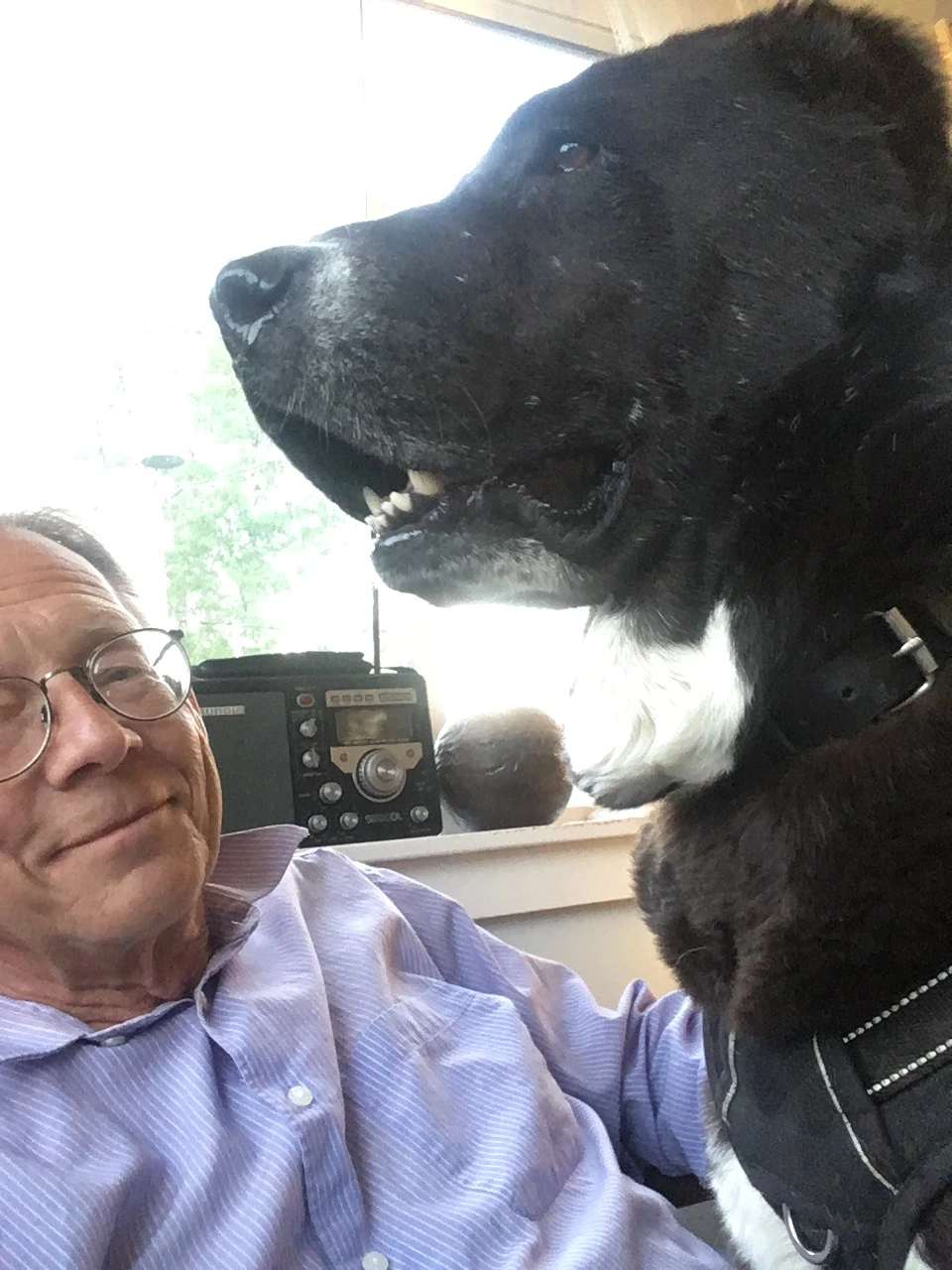
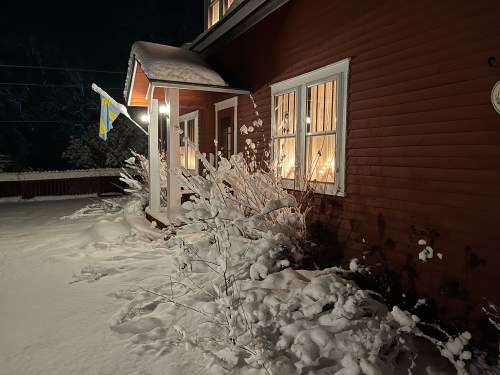
My favorite one is probably the 2012 one harkening back to the Hebrew tradition of the Mezuzah, because it is about spaces being blessed and respected and about how we slow down for Holidays. Even though my circumstances have changed since I wrote it, I still cherish coming home to my little red farmhouse (lit up at sunset by timers in almost every room), where two horses and two Alabai dogs eagerly await me these darkest of days in northern Maine.
This year, as I have since I moved back to Caribou, alone, in 2019, I make a day trip to Bangor to celebrate Christmas Day with children and grandchildren. Then, for New Years, they join me in Caribou for Swedish Christmas food and Finnish fortune telling with molten soldering lead poured into ice cold water. The shape foretells your fortune for the coming year, a pre-Christian tradition.
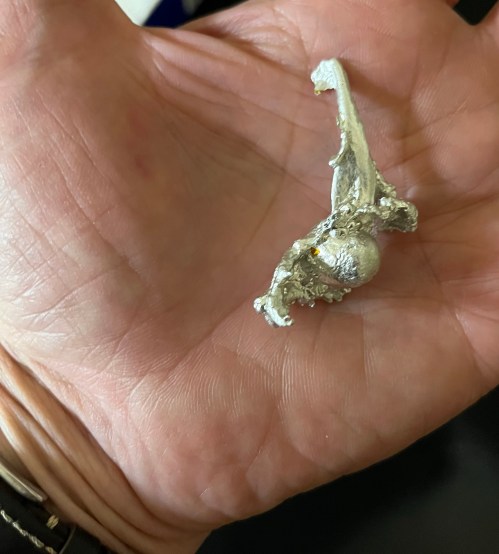
One reflection I am making this Christmas season is the fact that next year I will be turning 70. I still remember when my father told me, on my fortieth birthday, that he couldn’t believe that he’d be turning 70 the following year. And I remember thinking to myself that he looked and acted like it.

I think people these days act younger than my parents generation. I am a lot more active physically than my dad was, and I’m a lot goofier, rolling around in the snow with my dogs and doing most things without power tools, taking myself a bit less seriously than men my age of the previous generation did.

My dad retired at 62, and here I am plugging along as I approach 70. I treasure every day of my life and I am looking forward to 2023.

In some ways, every year is a new beginning. For me, this year, it very much is.
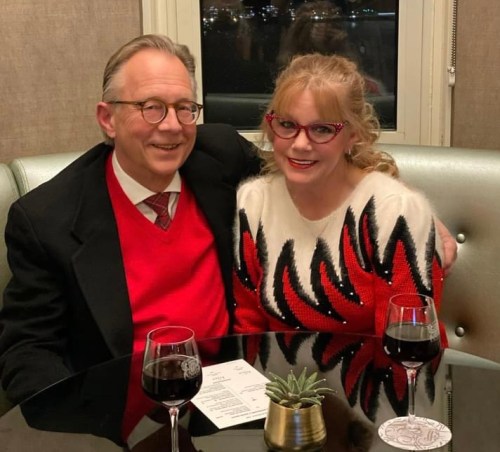
A Christmas Message to All Physicians from Sir William Osler
Touching the Mezuzah

Doctor Playing Vet

When I lived and worked in the Bucksport area, my best friend was the local veterinarian. Sometimes we talked about the difference between animal and human medicine. Animals can’t tell us how they feel, it’s up to us to read them and to know them.

I just had a situation with a horse that I am boarding, Emma‘s best friend. He stopped eating. Was it an early colic? Was it a tooth problem? Was it something orthopedic? Is it something passing or the beginning of a medical disaster?

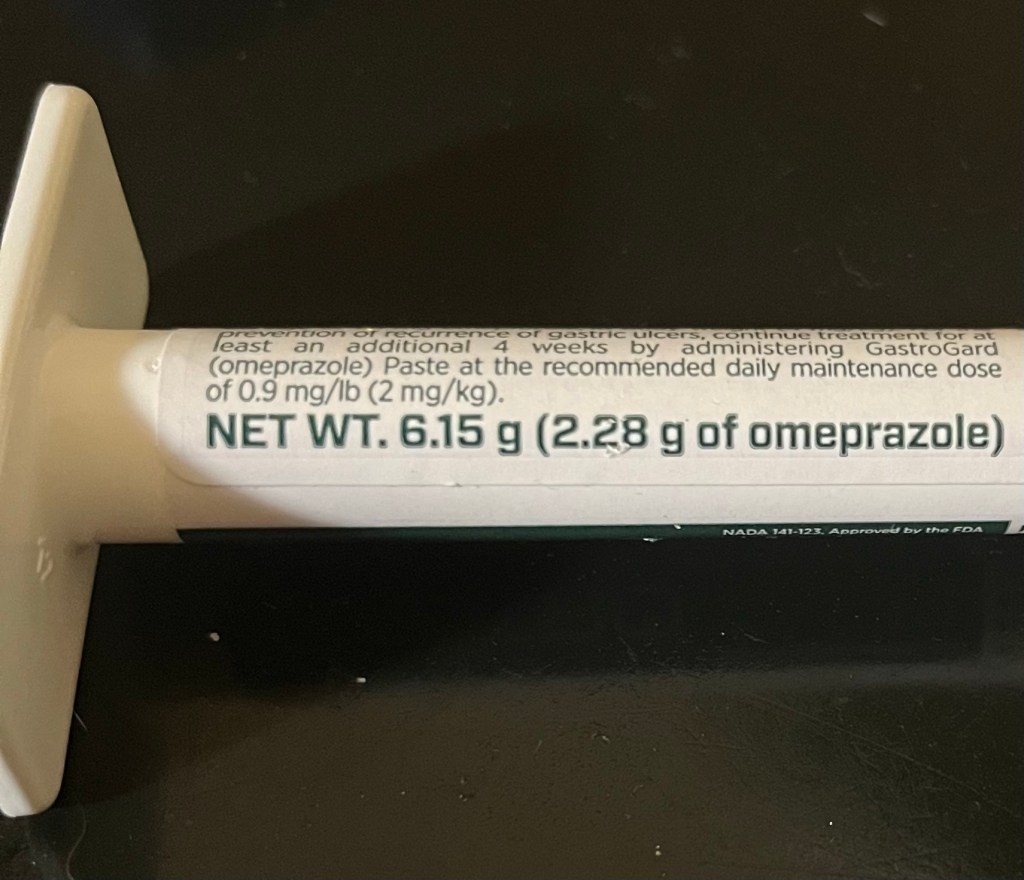
Step number one, a dose of Banamine paste. This is a strong anti-inflammatory like a shot of Toradol for a human. Slight improvement, nothing dramatic. Phone call to the horse veterinarian: More anti-inflammatory drug, phenylbutazone, like a super ibuprofen. Maybe a little better, nibbled some hay. My thought as a physician playing vet: Maybe this is a primary G.I. problem? I have some leftover omeprazole in horse doses. I take 20 mg twice a day of the isomer esomeprazole, Nexium. The dose for a horse, that’s why they call it a horse dose, is 100 times as much. If nothing else you could protect him from G.I. side effect of his anti-inflammatory medicine.

Less than 24 hours later my guy is eating up a storm, fed him two suppers tonight.

Doctor playing vet.

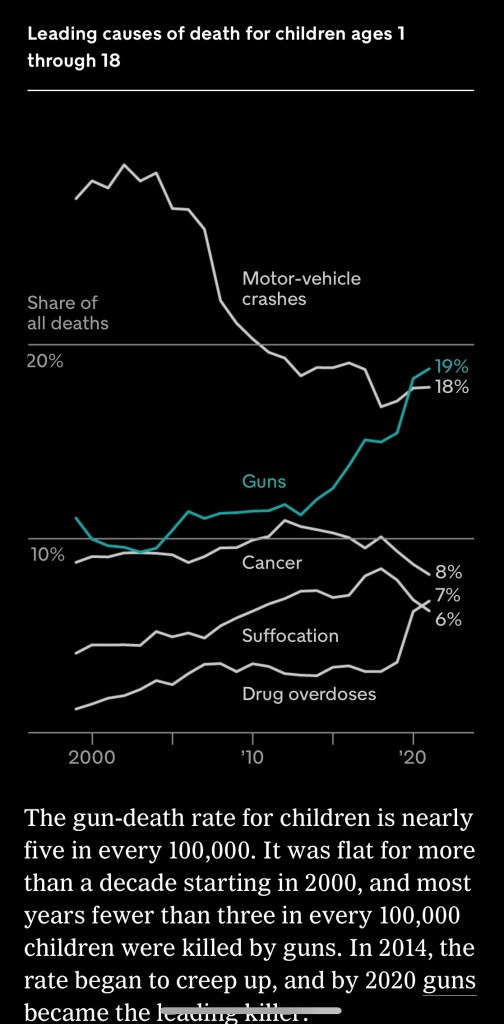
A Milestone in Child Mortality: Guns Kill More Kids Than Motor Vehicles Do

Source: The New York Times https://www.nytimes.com/interactive/2022/12/14/magazine/gun-violence-children-data-statistics.html?referringSource=articleShare

This gruesome statistic speaks for itself. I love my adopted homeland, but there is a problem here. We have a problem that most countries on this planet don’t have.

Seizures: Low P, Low D and Lots of THC

Dustin had a history of seizures that were always mild and only happened at night. He took his medication faithfully. But a couple of months ago he had a bad one.

The emergency room workup showed that his phosphorous was critically low. They replenished it intravenously and his level normalized and stayed up.

My reading when I saw him in followup suggested that hypophosphatemia is sometimes transient without explanation, but sometimes related to vitamin D deficiency.

I prescribed vitamin D, which is something I rarely do because I’m very skeptical of D supplementation. I describe D levels as a lab test looking for a disease. Here in northern Maine all mental health professionals tell her patients to take vitamin D for seasonal affective disorder with no scientific backup.

So Dustin got his prescription for vitamin D and his phosphorus level stayed OK for a while but next thing I knew he was in the emergency room again with a seizure and a low phosphorus. I added a vitamin D level to the serum already in the lab and it had not budged at all.

I knew Dustin smoked a lot of weed and the emergency room pointed out the same thing. I realized that I should have been more aggressive with my dosing of his vitamin D but I just had a funny feeling that maybe there was a connection between marijuana use and low phosphorus.

I asked my esteemed colleague, Dr. Google. He instantly brought an article to my attention about a probable connection between marijuana use and low phosphorus.

So I cranked up Dustin’s vitamin D dose and gave him a printout of the article. “You might want to cut back on your marijuana use”, I suggested.

I guess I’m hedging my bets here between the low D and the high THC, and I’m open to other possibilities. The big message here, for what my CEO called a “late career physician”, is (and I’ve said it before): May I never lose my curiosity. (Although in the post below, it seemed like CBD oil did something good – always ask, always wonder, always question…)

Curiosity, Antidote to Burnout

Doctors Working for Free

Business owners sometimes do unreimbursed work to promote their business, but most of the time people charge for what they do. In healthcare, doctors are paid for seeing patients but not for reviewing incoming results, giving telephone advice or coordinating care. Those activities are seldom reimbursed by insurance companies.

Since most of us are no longer business owners but employees, the obvious question is why are we evaluating and compensating physicians’ performance based on billable activities but expected to do all non-billables without compensation on our own time?


I just realized none of the posts show on an iPad or a computer, but they do show on an iPhone. WordPress is working on this. In the meantime, please visit my Substack.


Osler said “Listen to your patient, he is telling you the diagnosis”. Duvefelt says “Listen to your patient, he is telling you what kind of doctor he needs you to be”.


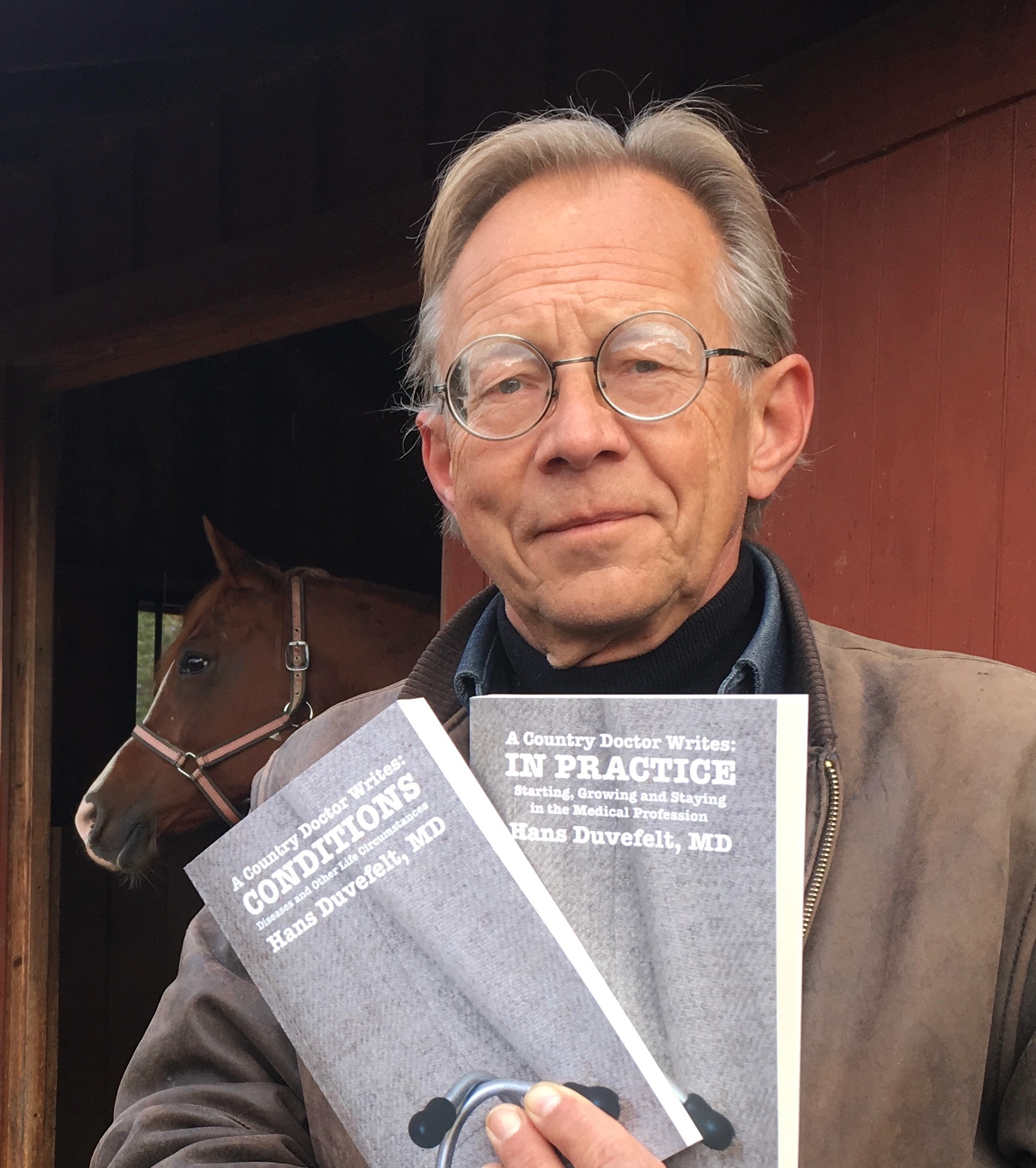
BOOKS BY HANS DUVEFELT, MD

CONDITIONS, Chapter 1: An Old, New Diagnosis

Top 25 Doctor Blogs Award

Doctor Blogs

Enter your email address to subscribe to this blog and receive notifications of new posts by email.

Mailbox

contact @ acountrydoctorwrites.com
Bookmark and Share
© A Country Doctor Writes, LLC 2008-2022 Unauthorized use and/or duplication of this material without express and written permission is strictly prohibited. Excerpts and links may be used, provided that full and clear credit is given.