I had this idea to write a post about quality, linking to the characterization of quality in the classic book Zen and the art of motorcycle maintenance. On a whim, I gave ChatGPT the task, formulated like this:
Write a 500 word essay with the title Zen and the art of doctoring, borrowing the major concept of the book Zen and the art of motorcycle maintenance, applying the principles to the practice of medicine
The post below appeared within seconds. Let me know in the comments what you think of it.
In Zen and the Art of Motorcycle Maintenance, Robert M. Pirsig explores the philosophical concept of “Quality,” a state of harmony that transcends dualities—subjective and objective, rational and romantic. This Quality, though elusive, serves as a guiding principle in life and work, merging the precision of rational thought with the richness of emotional experience. When applied to the practice of medicine, this philosophy encourages a more holistic, mindful, and compassionate form of care—a way of doctoring that goes beyond technical expertise to embrace presence, empathy, and moral responsibility.
Modern medicine, much like motorcycle maintenance in Pirsig’s narrative, often emphasizes technical accuracy, protocols, and measurable outcomes. Doctors are trained to diagnose, prescribe, and perform with efficiency and precision. However, as Pirsig argues in his book, focusing solely on the mechanical aspects of any practice—be it fixing a motorcycle or treating a patient—risks losing sight of the human element that gives the work its meaning. The true art of doctoring, therefore, lies in integrating the scientific with the philosophical, the measurable with the immeasurable.
“Quality” in medicine is not merely reflected in lab values or surgical success rates but also in the subtle, often unquantifiable connection between doctor and patient. When a physician sits quietly, listening to a patient’s fears, or takes time to explain a diagnosis with care, they are practicing medicine with a Zen-like awareness—fully present, attentive to detail, yet attuned to the broader context of human suffering and resilience. This presence transforms routine care into something meaningful for both patient and practitioner.
Pirsig’s idea of “the knife that cuts too fine” is especially relevant here. In modern clinical environments, the fragmentation of care into ever-smaller specialties can lead to loss of coherence. A patient becomes a collection of organs rather than a whole person. Zen and the art of doctoring would urge us to resist this fragmentation and instead cultivate an integrated view, where physical health, mental well-being, and social context are interwoven threads in the diagnostic process.
Moreover, Pirsig emphasizes the importance of caring about one’s work. A mechanic who cares about his motorcycle treats it with respect and patience, and through this care, finds peace and purpose. Similarly, a doctor who views each patient encounter not as a transaction but as a sacred opportunity to heal, learns to derive meaning from the practice itself. In this way, doctoring becomes not just a profession but a discipline of the spirit—an ongoing meditation on suffering, healing, and the mystery of life.
Ultimately, Zen and the Art of Doctoring invites us to approach medicine not merely as a science, but as a craft rooted in attention, compassion, and humility. It is a call to rediscover the joy of presence in an age of protocols, to honor the artistry in healing, and to recognize that in the quiet space between diagnosis and cure lies something ineffable—a fleeting but profound glimpse of Quality.


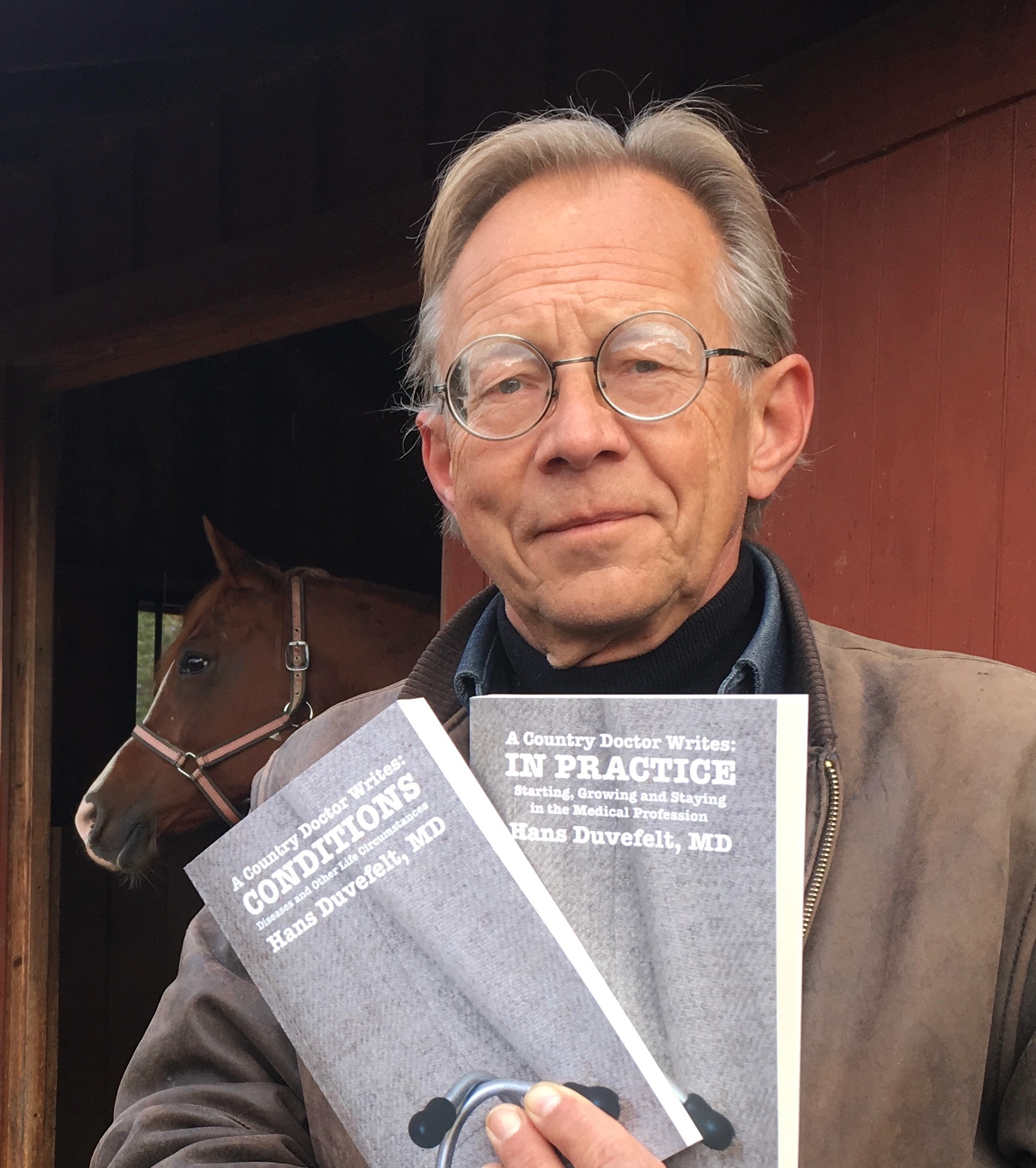








 A Country Doctor Writes:

Wonderful commentary! My sons read this book in high school, and have referred to it in later years! The application of this philosophy applies to so many things.
I’m impressed with the “thoughtful” and organized AI response but know it is drawing on the thoughts of Pirsig, which I believe are meaningful for best practice by medical doctors, psychotherapists, artists, and by anyone who engages with another person or material. Thinking back to my grad education in counseling psychology, I recall two courses, one from the medical school about being with the cancer patient, another about helping those grieving. There was something about quality in those two courses. JAMA published a book in 1998, Uncharted Lines: Poems from the Journal of the American Medical Association, that recognizes the significance of quality.
I can see why teachers are concerned about student use of AI; the skills of research, organization of thoughts, and clear writing won’t be developed.
wish id written that